BBC Director General Tim Davie resigns after Trump documentary row
Tim Davie stepped down on 3 June following intense criticism over a Panorama programme that misleadingly edited a Donald Trump speech. BBC News chief Deborah Turness also resigned amid the impartiality scandal.
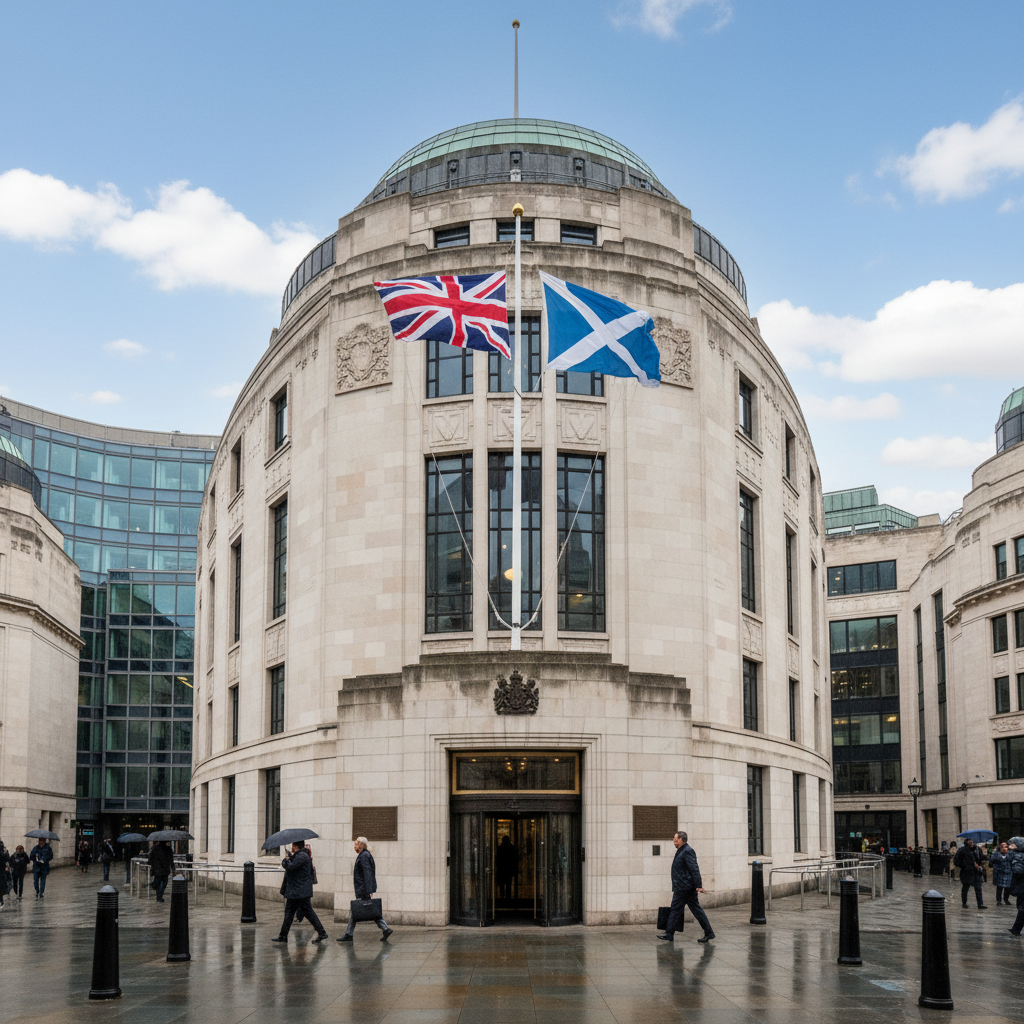
BBC Director General Tim Davie resigned on 3 June 2026 following intense criticism of a Panorama documentary that misleadingly edited a speech by former US President Donald Trump. BBC News chief Deborah Turness also stepped down amid the fallout from the programme, which watchdogs and politicians said failed to meet impartiality standards.
The resignations mark the most significant leadership crisis at the BBC in recent years, coming just days after the corporation issued a formal apology to Trump over the controversial edit.
Panorama editing scandal triggers departures
The controversy centred on a Panorama documentary that edited Trump's remarks in a way that gave "the incorrect impression" he directly incited violence on 6 January 2021, according to the BBC's own admission. The corporation apologised for the misleading edit but rejected Trump's demand for compensation.
Davie's departure represents the culmination of mounting pressure from across the political spectrum over the BBC's handling of the incident. The documentary had been flagged by media watchdogs as failing to meet basic impartiality requirements, with critics arguing the edit fundamentally misrepresented Trump's actual words.
Turness, who oversaw BBC News operations, became the second senior figure to fall on her sword over the affair. Her resignation signals the depth of the crisis within the corporation's news division and raises questions about editorial oversight processes.
Political pressure mounts over BBC governance
The scandal has triggered renewed political scrutiny of the BBC's governance structures, with MPs on the culture committee warning that the corporation "may not be in safe hands" under its current chair and board arrangements. The criticism spans party lines, with both Conservative and Labour politicians expressing concern about the BBC's ability to maintain impartiality.
Scottish politicians have been particularly vocal in their criticism, with several MSPs questioning whether the BBC's London-centric management structure adequately serves licence-fee payers across Scotland. The controversy has reignited long-standing tensions about the corporation's coverage of Scottish affairs and its perceived Westminster bias.
The resignations come at a particularly sensitive time for the BBC, which faces ongoing debates about its funding model and public service remit. Critics argue the Panorama incident demonstrates systemic problems with the corporation's editorial processes and accountability mechanisms.
Impartiality review gains new urgency
A government-commissioned review into BBC impartiality and recruitment practices was already under way before the Panorama incident and is now expected to take on added significance. The review, which was announced earlier this year, will examine whether the BBC's current structures are fit for purpose in maintaining public trust.
The timing of Davie's resignation adds weight to calls for fundamental reform of how the BBC operates. Industry observers suggest the review may now recommend more stringent oversight mechanisms and clearer accountability structures for senior editorial decisions.
For Scottish viewers, the controversy raises particular concerns about representation and editorial independence. Many licence-fee payers north of the border have long complained about the BBC's coverage of Scottish politics and culture, viewing it through a London lens that fails to reflect Scottish perspectives adequately.
The BBC's own reporting of the crisis has been closely watched for signs of how the corporation intends to rebuild trust with audiences across the UK.
What comes next for the BBC
The search for Davie's replacement will be closely scrutinised, with many expecting the government to seek a candidate who can restore confidence in the BBC's impartiality credentials. The new director general will inherit a corporation facing multiple challenges, from funding pressures to questions about its role in the digital age.
The culture committee has indicated it will continue its examination of BBC governance, with further hearings expected in the coming months. These sessions are likely to focus on how the corporation can prevent similar editorial failures and rebuild public trust.
For Scottish licence-fee payers, the leadership change presents both risks and opportunities. While some hope new leadership might bring fresh approaches to Scottish coverage, others worry that the focus on impartiality could lead to even more cautious editorial decisions that fail to reflect the complexity of Scottish political debate.
The government's impartiality review is expected to report its findings by the end of 2026, with recommendations that could reshape how the BBC operates for years to come. The Panorama scandal has ensured these recommendations will carry particular weight in determining the corporation's future direction.