Ofcom launches formal investigation into BBC over impartiality breach claims
Media regulator will examine whether BBC News programmes aired in May 2026 complied with due impartiality rules following viewer complaints.
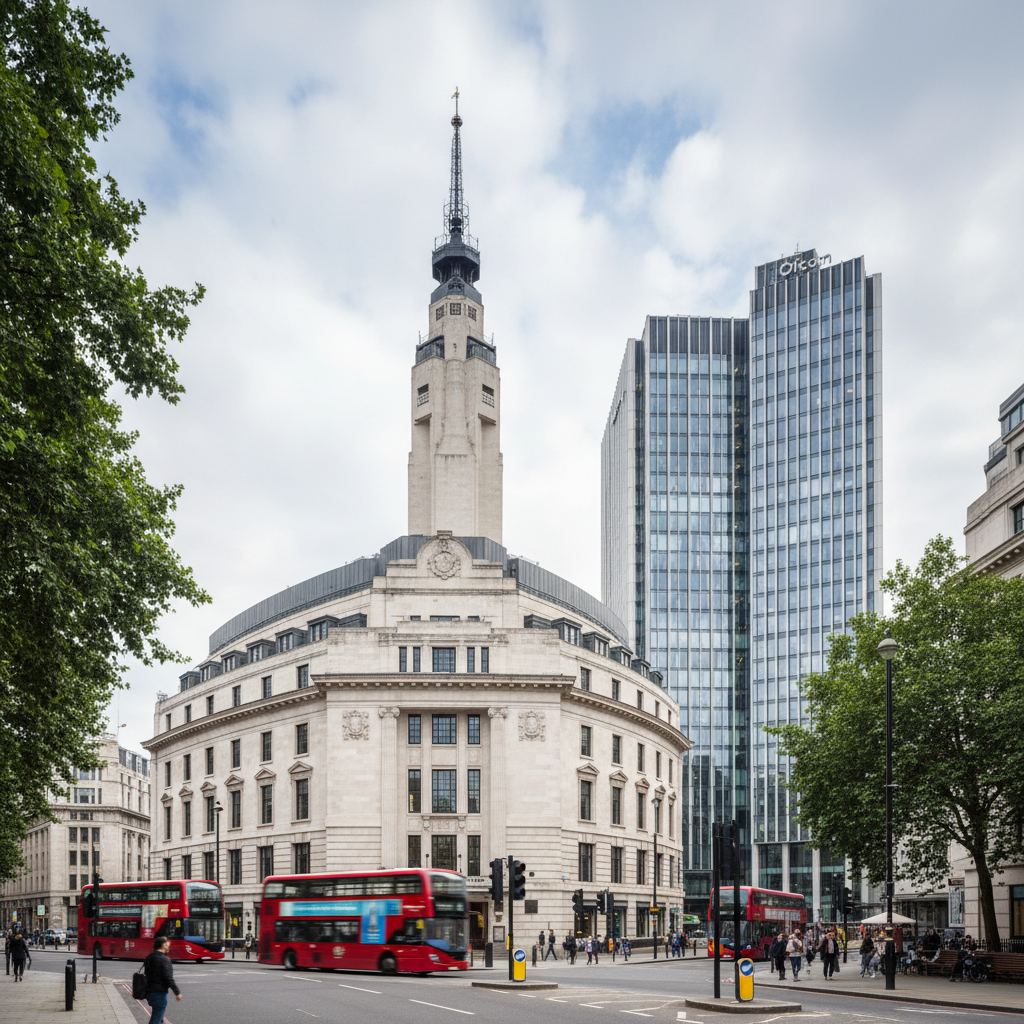
Ofcom has opened a formal investigation into the BBC after receiving complaints that recent BBC News coverage may have breached the UK broadcaster's strict impartiality requirements. The media regulator confirmed the probe on 3 June 2026, saying it will examine whether specific programmes complied with the due impartiality rules set out in the Broadcasting Code.
The case focuses on segments aired on BBC One and the BBC News channel in May 2026, following viewer complaints about how political issues were handled during the programmes in question.
Regulatory powers and potential consequences
Ofcom has significant authority to address breaches of broadcasting standards. The regulator can require the BBC to make corrections or changes to its editorial processes, and in serious cases, has the power to impose sanctions on the Corporation.
Under the Communications Act 2003, Ofcom can issue statutory sanctions including directions to broadcast corrections, apologies or right of reply programmes. The regulator can also impose financial penalties, though these are reserved for the most serious breaches. In previous cases involving other broadcasters, Ofcom has issued fines ranging from £25,000 to over £200,000 for impartiality violations.
The investigation represents a formal escalation from initial complaints handling, indicating Ofcom believes the concerns raised warrant detailed scrutiny of the BBC's editorial decisions and compliance procedures. This marks only the third formal impartiality investigation into the BBC since 2020, highlighting the significance of the current probe.
BBC response and cooperation pledge
The BBC has said it will cooperate fully with the regulator's investigation. In response to the announcement, the Corporation maintains that its journalism is fair and duly impartial, standing by its editorial standards and processes.
A BBC spokesperson emphasised the broadcaster's commitment to serving audiences across the UK with accurate, impartial news coverage. The Corporation pointed to its established editorial guidelines and internal review processes as evidence of its dedication to maintaining broadcasting standards.
The broadcaster's commitment to cooperation suggests it views the investigation as a routine regulatory matter rather than an indication of systemic editorial failures. However, the formal nature of the probe means senior editorial staff will need to provide detailed explanations of their decision-making processes during the contested period.
Implications for public service broadcasting standards
The probe comes at a time when public trust in media institutions faces ongoing scrutiny across the UK. For Scottish audiences, the investigation raises questions about how impartiality requirements apply to coverage of political issues that may affect Scotland differently than other parts of the UK.
The BBC's role as a public service broadcaster means it operates under stricter impartiality rules than commercial broadcasters, with particular obligations to present balanced coverage of political matters. These requirements become especially complex during periods of political sensitivity, when the line between legitimate editorial judgment and potential bias comes under intense scrutiny.
Industry observers note that impartiality investigations have increased across the broadcasting sector in recent years, reflecting heightened public awareness of media bias and the polarised nature of contemporary political discourse. The BBC, as the UK's primary public service broadcaster, faces particular pressure to demonstrate neutrality in its coverage of contentious issues.
According to the BBC report, these standards form a cornerstone of the Corporation's public service remit and its licence fee funding model.
What happens next
Ofcom's investigation will involve detailed examination of the contested programmes, including analysis of editorial decisions, contributor selection, and presentation of political viewpoints. The regulator will assess whether the BBC's coverage met the required standards for due impartiality.
The investigation process typically includes requests for internal BBC communications, editorial meeting minutes, and detailed explanations from programme makers about their approach to covering the issues in question. Ofcom investigators will also review the BBC's compliance procedures and training programmes for editorial staff.
The investigation timeline has not been specified, though Ofcom typically aims to complete such probes within several months. The outcome could range from no further action to formal sanctions, depending on the regulator's findings about compliance with broadcasting standards.
If breaches are found, Ofcom could require the BBC to broadcast on-air corrections, implement additional editorial training, or modify its internal compliance procedures. The regulator will publish its findings in a detailed report, which will become part of the public record on broadcasting standards enforcement.
The BBC will be required to provide detailed responses to Ofcom's questions about its editorial processes and decision-making during the period under investigation. The Corporation's response to any eventual findings will be closely watched by other broadcasters and media industry stakeholders.