Supreme Court strikes down Rwanda asylum scheme as unlawful
Landmark ruling forces government to redesign flagship deportation policy after judges find serious legal breaches. Scottish politicians react to decision with implications for local services.
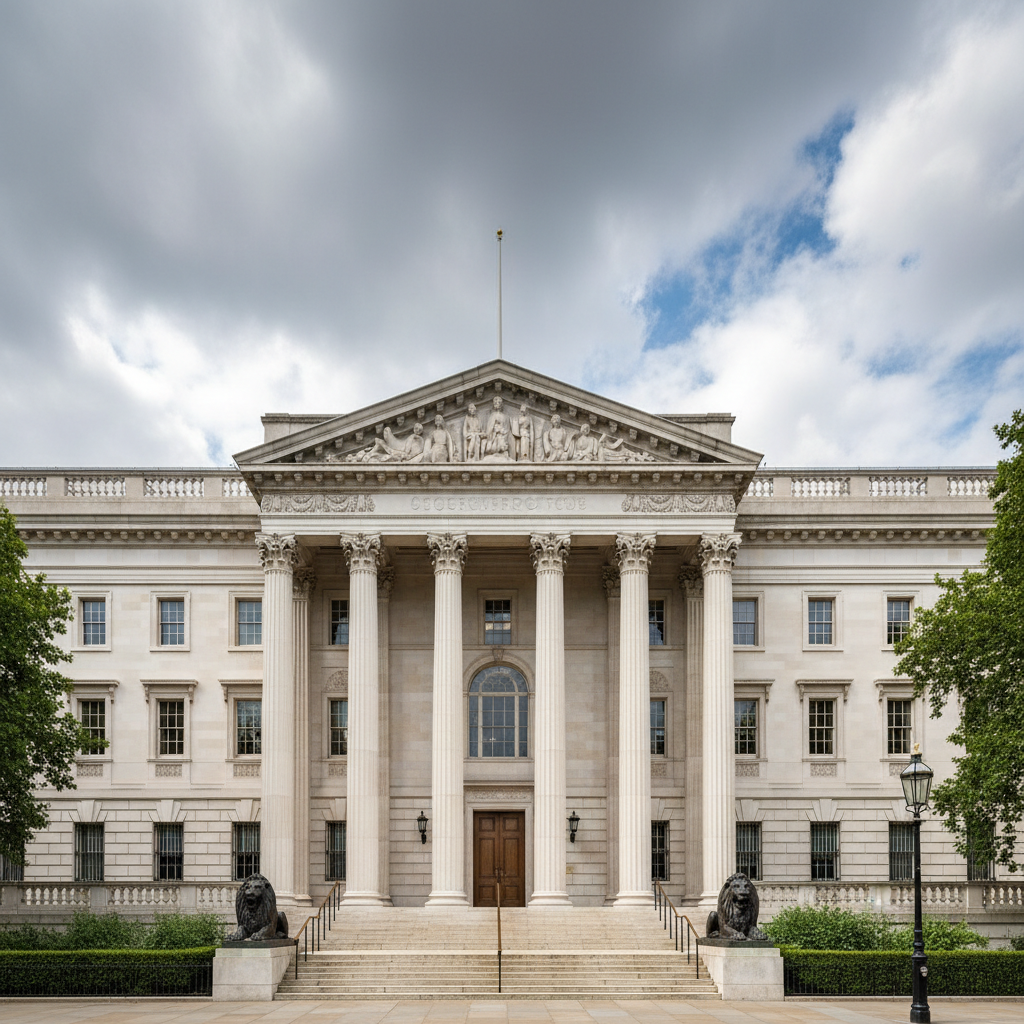
The UK Supreme Court has ruled the government's plan to deport asylum seekers to Rwanda unlawful, delivering a crushing blow to the flagship policy on 6 June 2026. The unanimous judgment found that serious risks of refoulement and deficiencies in Rwanda's asylum system meant removals could not proceed under current arrangements, upholding earlier Court of Appeal findings that blocked the scheme.
Prime Ministerial sources confirmed the ruling will force a substantial redesign of the policy, with ministers now scrambling to explore alternative arrangements and potential legislative changes. The decision effectively halts all planned deportations under the existing framework, leaving hundreds of asylum seekers in legal limbo across UK detention centres.
Legal victory welcomed by rights groups
Human rights organisations and refugee charities hailed the Supreme Court decision as a major victory for asylum protection. The judgment specifically cited concerns about Rwanda's capacity to process claims fairly and the risk that individuals could be returned to countries where they face persecution—a practice known as refoulement that violates international law.
The court's reasoning centred on evidence that Rwanda's asylum system lacked sufficient safeguards to prevent wrongful deportations, with judges expressing particular concern about the country's track record on refugee protection. Legal experts noted the ruling's emphasis on the government's failure to demonstrate that Rwanda could provide adequate protection for vulnerable asylum seekers.
Conservative backlash targets judicial oversight
Several Conservative MPs responded to the judgment with sharp criticism, renewing calls to limit the courts' role in migration policy decisions. The ruling has reignited tensions within the party over the balance between parliamentary sovereignty and judicial oversight, with some backbenchers suggesting the government should consider withdrawing from international legal frameworks that constrain deportation policies.
The decision comes at a politically sensitive time, with immigration remaining a key battleground issue ahead of the next general election. Government sources indicated that ministers are now considering whether to pursue primary legislation that could override some of the court's concerns, though legal experts warned such moves would face significant constitutional challenges.
Scottish dimension emerges in asylum debate
The ruling carries particular significance for Scotland, where local authorities have been grappling with increased pressure on asylum accommodation and support services. Glasgow City Council, which houses the largest number of asylum seekers in Scotland, had previously expressed concerns about the Rwanda scheme's impact on community cohesion and service planning.
Scottish politicians across party lines responded swiftly to the judgment, with SNP MPs arguing the decision vindicated their opposition to what they termed an 'inhumane policy'. The Scottish Government has consistently maintained that asylum policy should focus on integration support rather than deterrent measures, positioning itself in direct opposition to Westminster's approach.
Local refugee support organisations in Edinburgh and Glasgow reported increased demand for legal advice following the ruling, as asylum seekers previously facing potential removal to Rwanda now seek clarity about their status. The decision is expected to increase pressure on Scottish local authorities to provide longer-term accommodation and support services.
Policy redesign faces uncertain timeline
Government ministers now face the complex task of redesigning the Rwanda scheme to address the Supreme Court's legal concerns, though officials acknowledge this could take months or potentially years to achieve. Alternative proposals under consideration reportedly include arrangements with other third countries, though legal experts warn that similar constitutional challenges would likely arise.
The ruling's immediate practical impact means that asylum seekers currently detained pending removal to Rwanda must be released or transferred to alternative accommodation. Home Office sources suggested the department is reviewing approximately 300 cases directly affected by the judgment, with decisions on individual circumstances expected within weeks.
According to the BBC report, the government's response will likely determine whether the Rwanda policy can be salvaged in any form or whether ministers will be forced to abandon the scheme entirely. The Supreme Court's detailed reasoning suggests that cosmetic changes to the existing arrangements would be insufficient to address the fundamental legal deficiencies identified by the judges.