Labour pledges to scrap two-child benefit cap affecting thousands of Scottish families
Keir Starmer's commitment to abolish Universal Credit restrictions could lift tens of thousands of Scottish children out of poverty if Labour wins the next UK election.
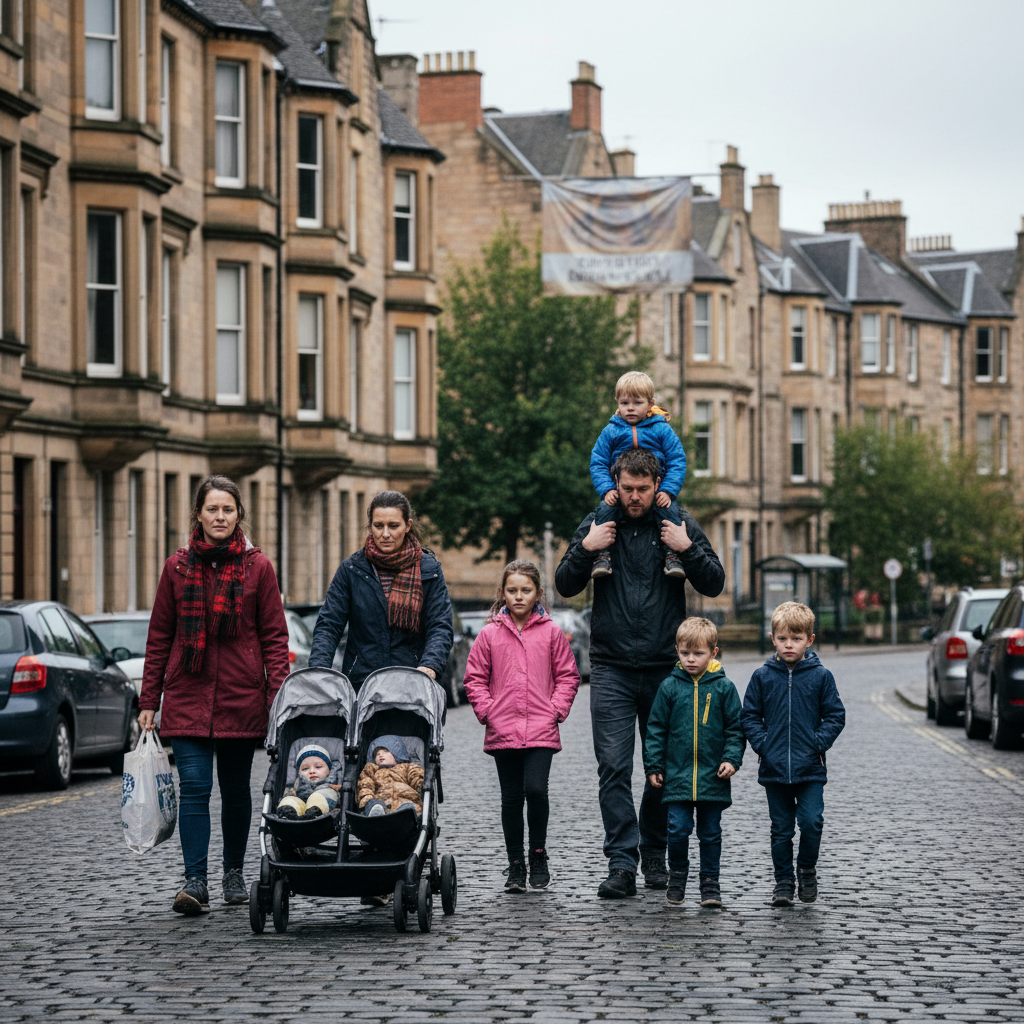
UK Labour leader Keir Starmer confirmed on 9 June that a Labour government would abolish the two-child limit on Universal Credit and child tax credit, a policy that has drawn particular criticism in Scotland for exacerbating child poverty rates across the country.
The pledge would remove restrictions that currently limit benefit support to the first two children in most low-income families, affecting an estimated hundreds of thousands of children across Britain. In Scotland, tens of thousands of households would see their income support increase under the proposed changes.
Scottish Politicians Welcome Anti-Poverty Commitment
Scottish Labour figures and anti-poverty campaigners welcomed Starmer's announcement but called for greater clarity on implementation timelines. The policy shift represents a significant departure from the current Conservative government's welfare approach, which introduced the two-child limit in 2017 as part of broader benefit reforms.
Anti-poverty organisations in Scotland have consistently argued that the cap disproportionately affects larger families and contributes to rising child poverty rates north of the border. The restriction has been particularly contentious given Scotland's demographic challenges and the Scottish Government's stated commitment to reducing child poverty.
Scottish Labour deputy leader Jackie Baillie described the announcement as a crucial step toward addressing inequality, while emphasising that coordinated action between Westminster and Holyrood would be essential for maximising the policy's impact on Scottish families. Child poverty campaigners noted that removing the cap could provide immediate relief to families struggling with the cost of living crisis.
SNP Claims Vindication After Years of Pressure
The SNP responded to Labour's announcement by claiming vindication for years of pressure from Scottish politicians and charities opposing the benefit cap. However, SNP representatives warned that broader UK welfare rules would continue to constrain Holyrood's ability to tackle inequality through devolved powers.
The party has long argued that reserved welfare powers limit Scotland's capacity to address poverty independently, despite the Scottish Government's anti-poverty targets and devolved responsibilities for areas like housing and education that intersect with child welfare.
SNP Westminster leader Stephen Flynn highlighted that his party had consistently voted against the two-child limit since its introduction, contrasting this with Labour's previous abstentions on welfare votes. The SNP maintains that only full devolution of welfare powers would allow Scotland to implement comprehensive anti-poverty measures tailored to Scottish circumstances.
Devolved Benefits and Holyrood's Anti-Poverty Framework
Scottish campaigners pressed for clarity on how quickly changes to Universal Credit would feed through to Scotland's devolved benefit system and align with the Scottish Government's child poverty reduction targets. The Scottish Government has committed to reducing child poverty to less than 10 per cent by 2030, but progress has been hampered by reserved welfare policies.
The interaction between reserved and devolved benefits creates complexity for Scottish policymakers attempting to coordinate anti-poverty measures. Changes to Universal Credit could affect eligibility for Scottish Child Payment and other Holyrood-controlled support mechanisms designed to supplement UK-wide provision.
Social Security Scotland, which administers devolved benefits, would need to adjust its systems to ensure seamless integration with any changes to Universal Credit. The Scottish Child Payment currently provides £25 per week for eligible children under 16, but its effectiveness depends partly on how it interacts with reserved benefit calculations.
Westminster-Holyrood Welfare Balance Under Scrutiny
Labour's commitment highlights ongoing tensions over welfare devolution and the division of anti-poverty responsibilities between Westminster and Holyrood. The policy represents Labour's most significant welfare pledge ahead of the next UK election, but questions remain about implementation costs and parliamentary timetables.
Treasury estimates suggest that scrapping the two-child limit could cost between £2.5 billion and £3 billion annually across the UK, raising questions about funding priorities and fiscal constraints facing any incoming Labour government. Scottish ministers have previously argued that such UK-wide changes would be more cost-effective than attempting to mitigate welfare cuts through devolved spending.
The announcement comes as child poverty rates in Scotland continue to challenge both governments' policy objectives. While the Scottish Government has introduced targeted measures like the Scottish Child Payment, campaigners argue that reserved welfare restrictions undermine these efforts and require UK-wide policy changes to achieve meaningful progress on child poverty reduction.
According to the BBC report, Labour's welfare commitments will face scrutiny over delivery timelines and integration with existing Scottish anti-poverty measures. The party has indicated that abolishing the two-child limit would be a priority in the first term of a Labour government, though specific implementation schedules remain unclear.