BAE Systems workers vote on strike action as Clyde shipyard dispute threatens Royal Navy frigate delays
Thousands of workers at Govan and Scotstoun yards begin voting on industrial action over pay and conditions. Any walkout could further delay Type 26 frigates already behind schedule.
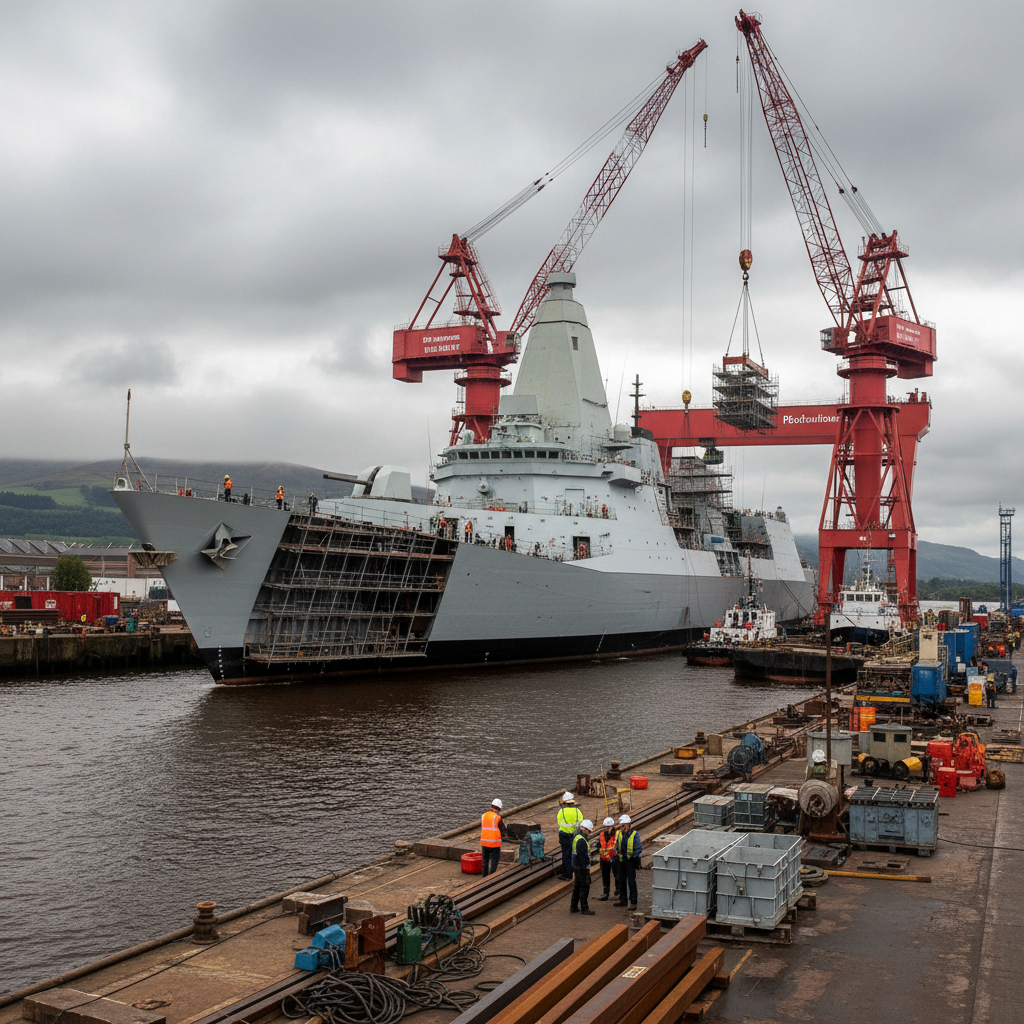
Thousands of workers at BAE Systems' Govan and Scotstoun shipyards on the River Clyde have begun voting on strike action in a dispute over pay and conditions, with the ballot opening this week and running into late June. The yards are currently building Type 26 frigates for the Royal Navy as well as export variants, and any industrial action could delay vessels already running behind schedule.
Unite the union argues that the company's latest pay offer fails to reflect high inflation and record order books, while BAE Systems maintains its proposal is fair and warns that strikes would jeopardise key defence programmes. The potential walkout comes as the UK government has recently confirmed further frigate orders on the Clyde, intensifying concern about the impact of any stoppage on local jobs and long-term naval contracts.
Union challenges pay offer amid record workload
Unite the union has criticised BAE Systems' latest pay proposal, arguing it fails to adequately compensate workers facing high inflation whilst the company benefits from record order books. The union represents thousands of skilled workers across both Clyde yards, where production of the advanced Type 26 frigates continues alongside preparation for additional Royal Navy orders.
The dispute centres on what Unite describes as an inadequate response to cost-of-living pressures affecting shipyard workers, despite BAE Systems securing substantial new contracts. The union's position reflects broader tensions in Scotland's defence sector, where workers seek pay rises that match both inflation rates and the increased workload from expanded naval programmes.
BAE Systems has defended its pay offer as fair and proportionate, warning that any strike action would threaten critical defence projects already facing delivery pressures. The company's stance highlights the delicate balance between maintaining workforce relations and meeting contractual obligations to the Royal Navy and international customers.
Frigate programme faces further delay risks
The Type 26 frigate programme, already running behind its original schedule, could face additional setbacks if workers vote for strike action. The advanced warships represent a cornerstone of Royal Navy modernisation plans, with the first vessel HMS Glasgow currently under construction at Govan.
Any industrial action would compound existing challenges in the frigate programme, which has experienced delays due to design complexity and supply chain issues. The yards are simultaneously working on export variants of the Type 26 for Australia and Canada, creating additional pressure to maintain production schedules across multiple international contracts.
The potential for strikes comes at a particularly sensitive time for the programme, with critical construction phases ongoing and delivery deadlines already under scrutiny from the Ministry of Defence. Workers' decisions in the ballot could determine whether the Clyde yards can meet revised timelines for both domestic and export orders.
Government backing intensifies stakes
The timing of the strike ballot coincides with recent UK government confirmation of additional frigate orders for the Clyde, raising the stakes for all parties involved. The new orders represent significant long-term investment in Scottish shipbuilding capabilities, but also increase pressure to resolve the current dispute without disrupting production.
Scotland's position as a key centre for Royal Navy shipbuilding makes any prolonged industrial action a matter of national defence concern. The Clyde yards employ thousands of skilled workers and support extensive supply chains across Scotland, meaning strike action could have broader economic implications beyond the immediate participants.
The government's commitment to further orders demonstrates confidence in the Clyde's shipbuilding future, but that investment depends on maintaining stable industrial relations and meeting delivery commitments. According to the Independent report, the dispute highlights ongoing tensions between workforce expectations and company responses in Scotland's defence sector.
Clyde's naval future hangs in balance
The outcome of the strike ballot will determine not only immediate production schedules but also longer-term perceptions of the Clyde as a reliable centre for naval construction. With international customers watching delivery performance on their Type 26 orders, any disruption could affect Scotland's competitiveness for future defence contracts.
The ballot results, expected in late June, will reveal whether workers accept BAE Systems' pay offer or proceed with strike action that could disrupt one of Scotland's most strategically important industrial programmes. The decision comes as the UK seeks to rebuild its naval capabilities whilst maintaining cost-effective production schedules.
Both sides face pressure to reach a resolution that preserves the Clyde's reputation for delivering complex warships whilst addressing legitimate workforce concerns about pay and conditions. The dispute's resolution will likely influence future labour relations across Scotland's expanding defence sector.