Glasgow's West End Festival launches with record 350 events across three weeks
The 30-year-old festival opened on 6 June with its largest ever programme, featuring outdoor concerts, street performances and community events running until 28 June.
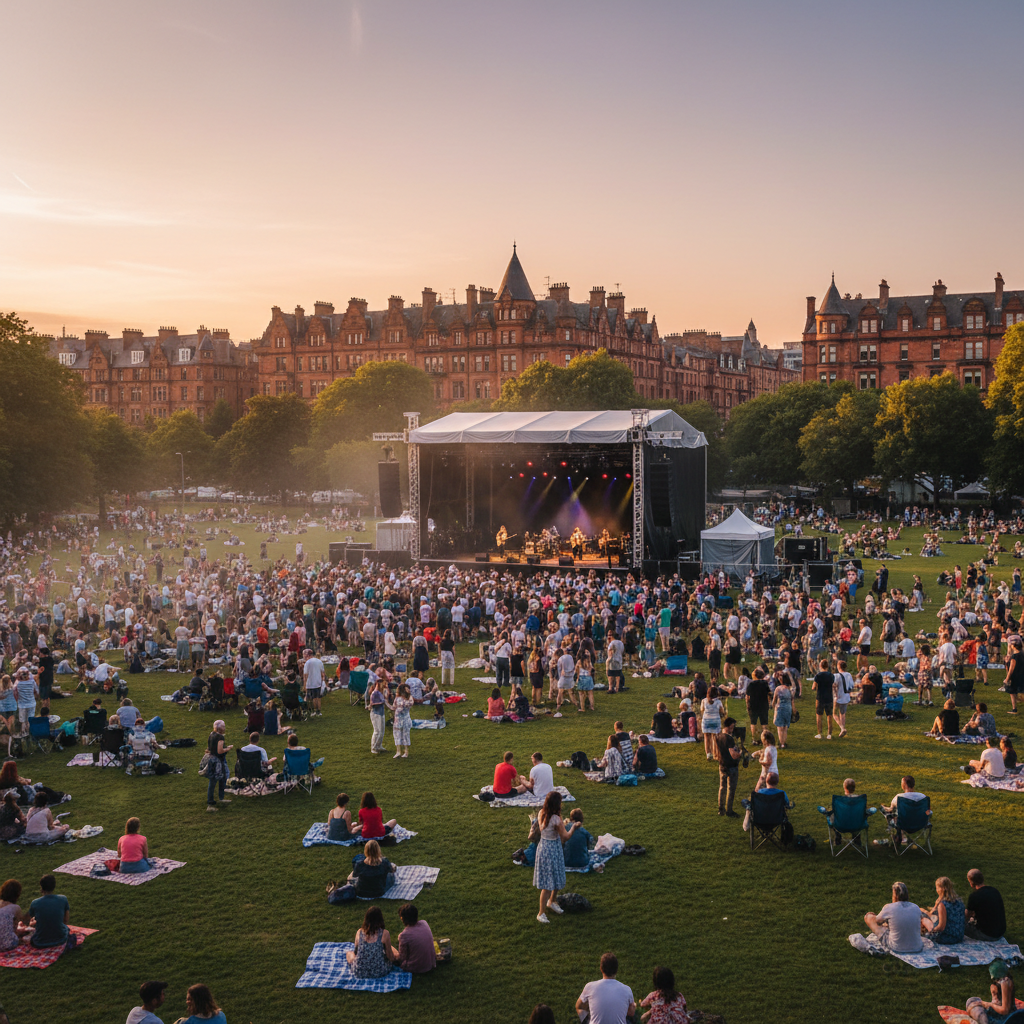
Glasgow's West End Festival opened on 6 June with more than 350 music, theatre, visual art and community events scheduled across three weeks, marking the largest programme in the festival's 30-year history. The annual celebration runs until 28 June, bringing performances to venues and streets throughout the city's West End.
Organisers have confirmed this year's expanded programme includes outdoor concerts in Kelvingrove Park, free family events on Byres Road and Ashton Lane, and late-night performances in local bars and churches. The festival features contributions from hundreds of Scottish artists and community groups, alongside visiting performers from elsewhere in the UK and internationally.
Community events anchor expanded programme
The 2026 edition places particular emphasis on grassroots participation, with street performances and community-led events forming the backbone of the festival's daily schedule. Byres Road and Ashton Lane will host free family activities throughout the three-week run, whilst local venues from traditional pubs to historic churches have opened their doors for evening performances.
Kelvingrove Park serves as the festival's main outdoor concert venue, with multiple performances scheduled across the festival period. The programming strategy reflects organisers' commitment to making the festival accessible to local residents whilst attracting visitors from across Scotland and beyond. Community groups from across Glasgow's West End have contributed workshops, exhibitions and performances that celebrate local heritage and contemporary culture.
Festival director Sarah Mitchell emphasised the importance of local involvement in this year's expanded format. The programming includes dedicated slots for emerging artists from Glasgow's music and theatre scenes, alongside established acts. Street performers will occupy designated pitches along the main thoroughfares, creating an atmosphere of continuous entertainment throughout daylight hours.
Economic boost expected for West End businesses
City officials and business representatives anticipate the festival will draw tens of thousands of visitors, delivering a significant boost to local hospitality and retail trade across the West End. The economic impact extends beyond traditional cultural venues to encompass restaurants, shops, and accommodation providers throughout the area.
Local businesses have prepared for increased footfall during the festival period, with many extending opening hours and creating special offers to capitalise on the visitor influx. The festival's community-focused programming is designed to encourage exploration of the West End's commercial districts alongside its cultural offerings.
Glasgow City Council estimates the festival will generate approximately £2.8 million in direct spending across the West End during the three-week period. Hotels and guest houses report advance bookings running 40% higher than the same period last year, with many properties fully booked for the festival's opening and closing weekends. Restaurant owners along Byres Road and Great Western Road have coordinated extended menus and outdoor seating arrangements to accommodate the expected surge in diners.
Milestone year for Scotland's cultural recovery
The 2026 festival marks a significant moment in Scotland's post-pandemic cultural recovery, with the expanded programme reflecting renewed confidence in large-scale public events. The festival's 30-year history positions it as one of Glasgow's established cultural fixtures, with this year's record programme size indicating strong institutional support and public appetite for live performance.
The blend of professional and community programming demonstrates how established festivals are adapting to serve both local audiences and cultural tourism markets. Creative Scotland has provided enhanced funding support for this year's edition, recognising its role in demonstrating the sector's resilience and innovation following recent challenges.
Festival organisers report that volunteer applications exceeded capacity by 60%, with over 400 local residents signing up to support events across the three-week period. This level of community engagement reflects broader enthusiasm for cultural events returning to pre-2020 scale and ambition. According to BBC Scotland's coverage, the festival's growth reflects broader trends in Scotland's cultural sector, where community engagement increasingly drives programming decisions.
Three weeks of performances across the West End
The festival's extended run through 28 June allows for a diverse range of programming styles, from daytime family activities to late-night experimental performances. The geographical spread across multiple West End locations means audiences can encounter festival events whilst going about daily business in the area.
Participating venues range from established cultural institutions to unconventional spaces, reflecting the festival's commitment to making performance accessible throughout the community. The programming approach suggests organisers are positioning the West End Festival as both a destination event for cultural tourists and an integral part of local life during the three-week period.
Weekend programming features headline acts at Kelvingrove Park, with capacity for 8,000 attendees per concert. Midweek events focus on intimate venue performances and community workshops, ensuring consistent activity throughout the festival period. The closing weekend will feature a collaborative piece involving all participating community groups, performed simultaneously across multiple West End locations on 28 June.