Stonehaven rail disaster was avoidable, public inquiry finds
Fatal 2020 derailment that killed three people could have been prevented with proper drainage maintenance, hearing told.
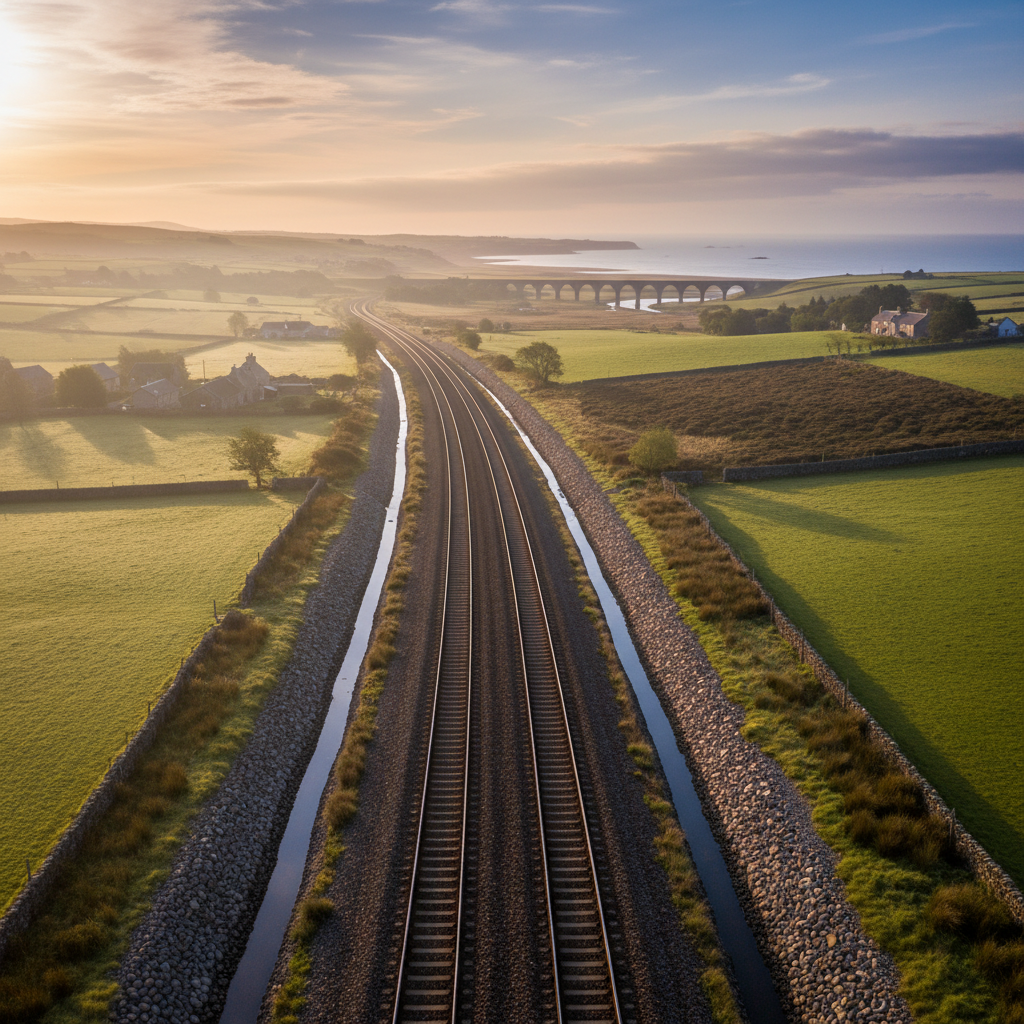
A public inquiry into the fatal Stonehaven rail disaster has concluded the August 2020 derailment was avoidable, placing fresh scrutiny on Network Rail's maintenance of critical infrastructure along Scotland's Aberdeen–Glasgow line. Three people died and six others were injured when the train struck debris near Carmont, south-west of Stonehaven, following severe rainfall and drainage failures.
The inquiry heard evidence that track-side drainage systems had not been adequately maintained, contributing to the landslip that sent debris onto the line. Investigators focused on whether earlier intervention could have prevented the train from encountering the obstruction that caused the fatal crash on 12 August 2020.
Drainage System Failures Under Scrutiny
Evidence presented to the inquiry highlighted significant deficiencies in Network Rail's approach to managing water drainage and landslip risks along the route. The hearing examined how severe rainfall overwhelmed inadequate drainage infrastructure, leading to the debris that derailed the Aberdeen-bound ScotRail service.
The inquiry's findings suggest that proper maintenance protocols and timely repairs to drainage systems could have prevented the conditions that led to the disaster. Investigators questioned whether Network Rail had sufficient procedures in place to monitor and respond to weather-related risks on this section of track.
Technical evidence revealed that the drainage culvert at the crash site had been identified as requiring attention in previous inspections, but necessary repairs were not completed before the August 2020 incident. The inquiry examined maintenance records showing a pattern of deferred work on drainage infrastructure across multiple sections of the Aberdeen–Glasgow route.
Families Demand Accountability
The inquiry's conclusion that the crash was preventable has intensified calls for accountability from the families of those killed in the derailment. The three fatalities included the train driver, conductor, and a passenger, while six others sustained injuries in what became one of Scotland's most serious rail accidents in recent years.
Legal representatives for the families have pressed for concrete action on safety recommendations that emerged from initial investigations but have faced delays in implementation. The hearing has kept pressure on both Network Rail and transport authorities to demonstrate measurable improvements to infrastructure monitoring.
Relatives of the victims expressed frustration during the inquiry proceedings, questioning why critical maintenance work had been postponed despite known risks. Family solicitors argued that the deaths represented a systemic failure in Network Rail's duty of care to passengers and railway workers operating on the route.
The inquiry heard emotional testimony from survivors and family members, who described the lasting impact of the disaster on their lives. Several witnesses called for criminal charges to be considered against individuals responsible for maintenance decisions that contributed to the crash.
Long-Standing Safety Concerns
The Stonehaven disaster exposed broader questions about rail infrastructure resilience across Scotland's network, particularly on routes vulnerable to extreme weather. The Aberdeen–Glasgow line has experienced previous incidents related to landslips and drainage problems, though none as severe as the 2020 crash.
Network Rail faces ongoing criticism for the pace of implementing safety upgrades following the accident. The inquiry has examined whether the organisation's maintenance schedules and risk assessment procedures were adequate for managing Scotland's challenging terrain and increasingly unpredictable weather patterns.
Historical records presented to the inquiry showed that the Carmont area had experienced multiple weather-related incidents over the preceding decade, including minor landslips and flooding events that disrupted services. Despite this pattern, comprehensive drainage improvements were not prioritised in Network Rail's capital investment programme.
The inquiry also examined how climate change has increased the frequency and intensity of extreme weather events affecting Scotland's railways, questioning whether maintenance strategies had adapted to these evolving risks. Expert witnesses testified that traditional drainage systems designed decades ago may no longer be adequate for current weather patterns.
Implementation of Safety Measures
Transport Scotland and Network Rail now face renewed pressure to accelerate the rollout of enhanced monitoring systems and improved drainage infrastructure along vulnerable sections of the Scottish rail network. The inquiry's findings are expected to inform specific recommendations for preventing similar accidents.
The case has highlighted the need for more robust early warning systems and regular inspection protocols, particularly during periods of severe weather. Network Rail has committed to investing £2.8 billion in Scottish infrastructure improvements over the next five years, with drainage upgrades forming a significant component of this programme.
The inquiry examined proposals for real-time weather monitoring systems that could automatically trigger speed restrictions or service suspensions when conditions become dangerous. Such technology is already in use on some European rail networks but has not been widely deployed across Scotland's rural routes.
According to the BBC report, the inquiry's conclusions will likely influence future safety standards across Scotland's rail infrastructure. The Office of Rail and Road is expected to use the findings to update national guidance on infrastructure maintenance and weather risk management.
The full inquiry report is expected to include detailed recommendations for Network Rail's maintenance procedures and emergency response protocols. These findings will determine whether significant changes to infrastructure management can prevent future tragedies on Scotland's rail network, with implementation timelines likely to face close scrutiny from transport regulators and safety campaigners.