Can the Green Highlands Fund deliver real community ownership or just more green tokenism
The Scottish Government's £500m fund promises to put rural communities at the heart of the green transition, but the devil will be in the delivery details.
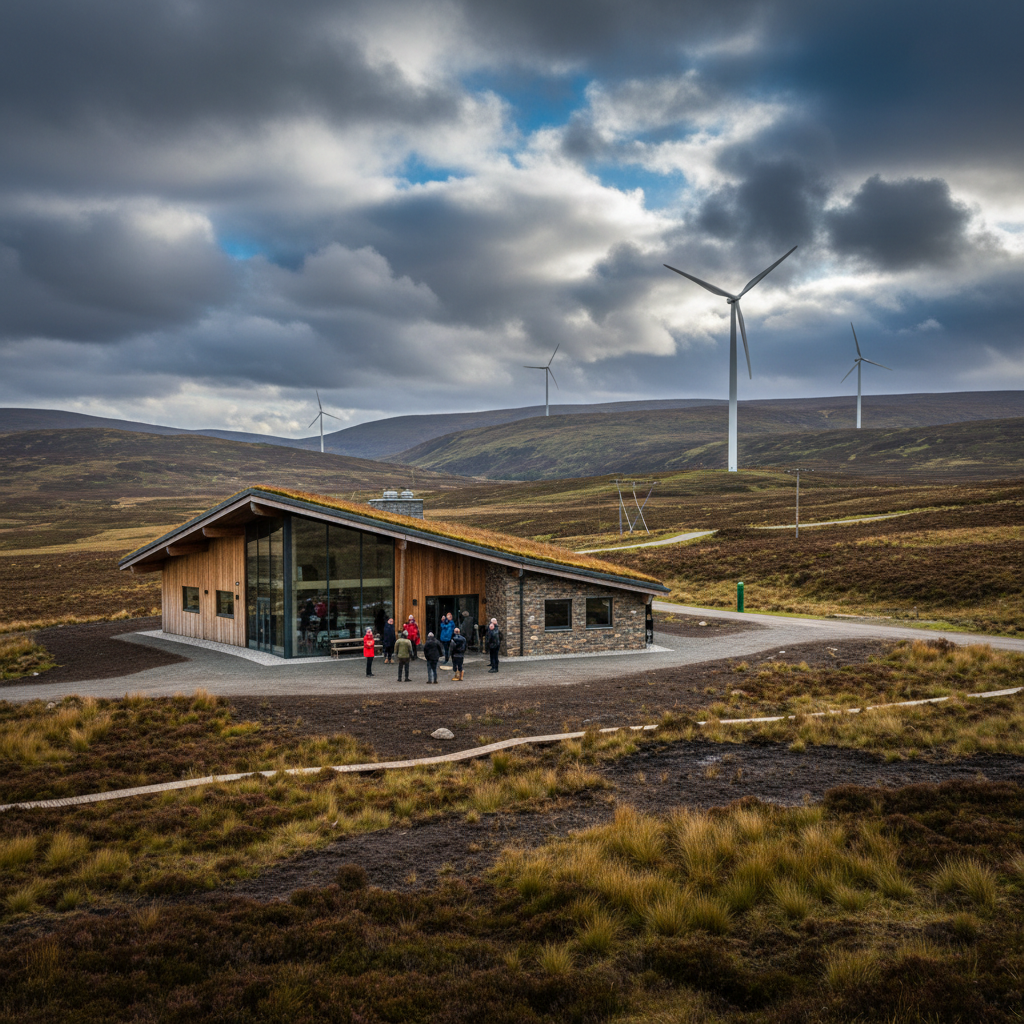
The Scottish Government's announcement of a £500 million Green Highlands Fund on 19 June represents either a genuine shift towards community-led green development or another exercise in centralised control dressed up as local empowerment. The fund, spread over ten years, aims to support community-owned renewable energy projects and large-scale peatland restoration across the Highlands and Islands, with ministers claiming it could attract £1.5 billion in private investment.
First Minister John Swinney framed the initiative as helping rural communities 'share directly in the economic benefits of the green transition', with at least 40% of funding ringfenced for locally owned wind, hydro and solar projects. The Scottish National Investment Bank will administer loans alongside grants distributed to local authorities, community trusts and crofting townships, with the first funding round opening in early 2027.
The community ownership challenge
The critical question is whether this fund will genuinely empower local communities or simply create another layer of bureaucracy that favours well-connected organisations over grassroots initiatives. Community energy projects have historically struggled with complex application processes, lengthy approval timelines and requirements for professional expertise that many rural groups cannot afford. A £500 million pot sounds substantial, but divided across a decade and the vast geography of the Highlands and Islands, individual allocations may prove insufficient for meaningful impact.
The 40% ringfencing for community ownership sounds promising in principle, but the definition of 'community-owned' matters enormously. Will this include genuine cooperative structures where local residents hold voting shares, or will it encompass community benefit companies where external developers retain control while providing modest annual payments? The distinction determines whether communities become active participants in their energy future or passive recipients of corporate largesse.
Environmental and economic tensions
Environmental groups have offered cautious support while demanding stronger safeguards to protect wild land and ensure revenue stays local. This highlights a fundamental tension within the green agenda: the pressure to deploy renewable infrastructure rapidly often conflicts with landscape protection and genuine community consultation. Large-scale developments can dominate local economies and environments in ways that smaller, truly community-led projects do not.
Opposition parties have questioned the programme's funding adequacy within current budget constraints, pointing to a pattern of ambitious announcements followed by scaled-back delivery. The reliance on attracting private investment also raises questions about who ultimately controls these projects and whether community interests will be subordinated to commercial returns when conflicts arise.
The peatland restoration element
The fund's inclusion of peatland restoration represents recognition that effective climate action requires ecosystem restoration alongside renewable generation. Scotland's degraded peatlands represent both a significant carbon liability and restoration opportunity, with properly managed projects capable of delivering carbon sequestration, biodiversity recovery and sustainable rural employment.
However, peatland restoration requires long-term commitment and patient capital that does not always align with political cycles or private investment expectations. The success of this element will depend on whether funding structures can accommodate the extended timescales needed for ecosystem recovery and whether local communities receive adequate training and support to become effective land stewards.
Delivery mechanisms and accountability
The involvement of the Scottish National Investment Bank suggests an attempt to professionalise delivery and reduce political interference, but it also introduces another institutional layer between communities and funding decisions. The bank's track record on community engagement and its capacity to assess local development needs will prove crucial to the fund's effectiveness.
Real community ownership requires more than financial support—it demands technical assistance, skills development and ongoing mentorship that enables local groups to navigate complex energy markets and regulatory frameworks. Without these wraparound services, even well-intentioned funding can reinforce existing inequalities between communities with existing capacity and those starting from scratch.
The fund's success will ultimately be measured not by the megawatts installed or hectares restored, but by whether it creates lasting local capacity for self-directed development. This requires moving beyond the traditional model of external agencies delivering projects to communities towards genuine partnership where local priorities shape investment decisions. According to the BBC report, the first funding applications will provide an early test of whether these aspirations translate into accessible, community-focused delivery mechanisms.
The Green Highlands Fund represents an opportunity to demonstrate that Scotland's green transition can strengthen rather than bypass rural communities. Whether it achieves this depends on implementation details that remain largely undefined and a political commitment to genuine devolution of decision-making power that extends beyond funding announcements.