UK inflation returns to 2% target but Scottish households still face pressure
Official figures show inflation back at the Bank of England's target for the first time since 2021, though underlying costs remain elevated across Scotland.
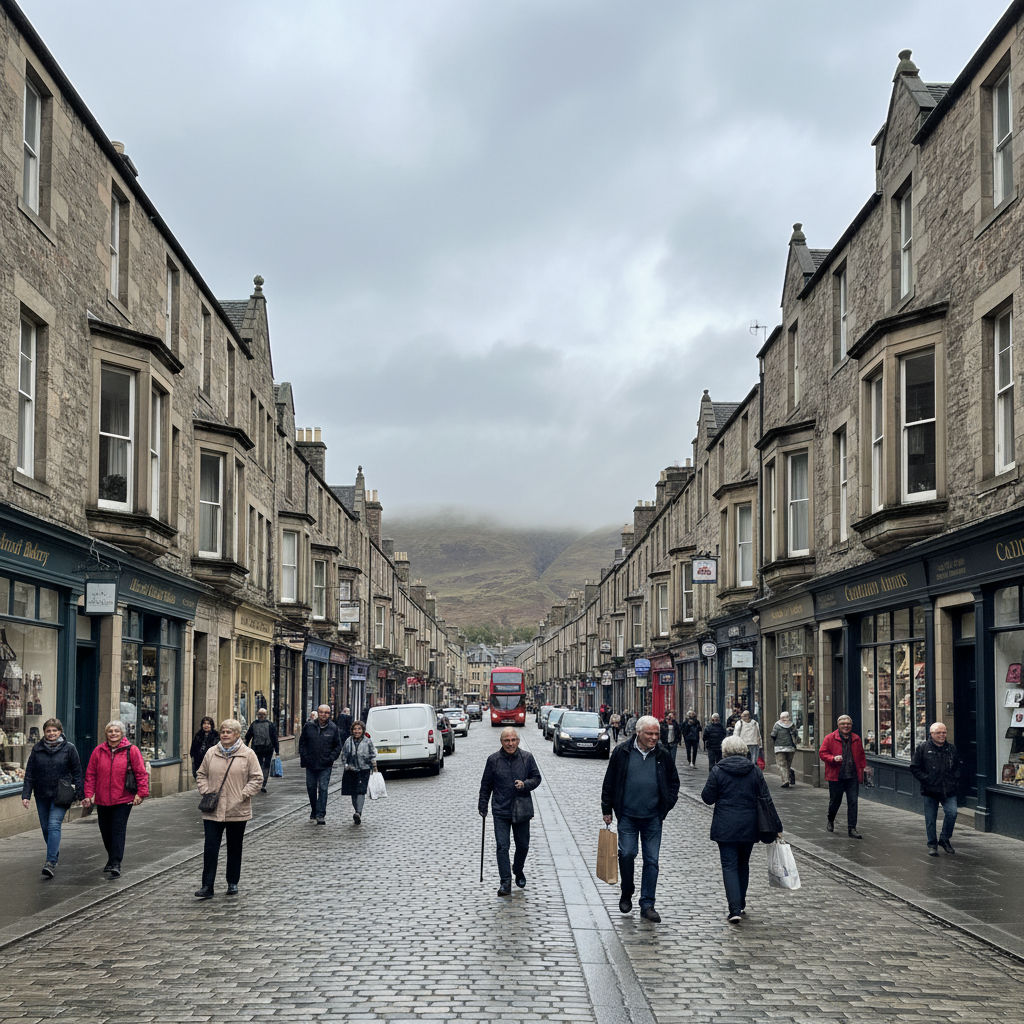
UK inflation fell to 2.0% in May, returning to the Bank of England's formal target for the first time since July 2021, according to Office for National Statistics figures released on 19 June. The drop from April's 2.3% rate was driven by easing food, energy and goods prices, though services inflation and wage growth remained elevated.
The milestone comes ahead of the Bank of England's June interest rate decision, with policymakers facing pressure to begin cutting rates from the current 5.25% level. However, economists warned that underlying price pressures continue to weigh on businesses and consumers across the UK, including Scotland.
What the numbers mean for Scottish businesses
While the headline inflation figure offers welcome relief, Scottish small businesses continue to grapple with higher borrowing costs and persistent wage pressures. Services inflation, which includes everything from restaurant meals to professional services, remains stubbornly high despite the overall moderation in price growth.
Energy costs, though easing from their peaks, still represent a significant burden for Scottish manufacturers and retailers. Food price inflation has also cooled but remains above historical norms, affecting both household budgets and business input costs across the country.
Manufacturing firms in Scotland's central belt report ongoing challenges with supply chain costs, while tourism operators face elevated expenses for everything from fuel to maintenance services. The hospitality sector, crucial to Scotland's economy, continues to balance higher operational costs against consumer spending power that remains constrained by years of price increases.
Mixed reactions from economic observers
Business groups welcomed the return to target but cautioned against premature celebration. The Federation of Small Businesses Scotland noted that while the headline figure provides psychological relief, many members still report cash flow pressures from elevated borrowing costs and supplier price increases accumulated over the past three years.
Trade unions emphasised that real wages for many Scottish workers have yet to recover fully from the inflation surge that began in 2021. Public sector workers, in particular, face ongoing disputes over pay settlements that reflect the cumulative impact of price rises on living standards.
Scottish Government economists highlighted the uneven regional impact of inflation, with rural areas experiencing different price pressures compared to urban centres like Glasgow and Edinburgh. Transport costs and housing expenses vary significantly across Scotland's diverse geography.
Interest rate outlook remains uncertain
The return to the 2% target does not guarantee immediate interest rate cuts, with Bank of England policymakers likely to scrutinise underlying inflation measures before making their next move. Current borrowing costs of 5.25% continue to squeeze mortgage holders and business investment plans.
Scottish property markets, already showing signs of cooling, could see further pressure if rates remain elevated for an extended period. Commercial lending rates have similarly tightened, affecting expansion plans for businesses from Edinburgh to the Highlands.
Financial markets currently price in a roughly 30% chance of a rate cut at the Bank's June meeting, with a higher probability of action in August. The central bank's Monetary Policy Committee has consistently emphasised the need to see sustained evidence that inflation will remain at target before easing policy.
Household budgets still under strain
Despite the improved headline figure, many Scottish households report little easing in their cost of living pressures. Wage growth, while strong in nominal terms, has struggled to keep pace with cumulative price increases since the inflation surge began in 2021.
Housing costs, council tax rises and insurance premiums continue to climb independently of the broader inflation picture. These factors mean that reaching the 2% target, while symbolically important, may not translate immediately into tangible relief for families across Scotland.
Consumer spending patterns show households remain cautious, with discretionary purchases still below pre-pandemic levels relative to essential spending. Credit card data suggests Scottish consumers are managing budgets more tightly than in previous years, despite some improvement in confidence measures.
The Office for National Statistics data, according to the BBC report, highlighted the uneven nature of the inflation slowdown, with different sectors experiencing varying degrees of price pressure.
What comes next for monetary policy
Bank of England officials will now weigh whether the 2% reading represents a sustainable return to target or a temporary dip. Key indicators including core inflation, wage settlements and services pricing will inform their June decision and subsequent policy moves.
For Scottish businesses planning investment or expansion, the timing and pace of any rate cuts could prove crucial. A gradual easing cycle would provide welcome relief for borrowing costs while maintaining confidence that inflation pressures remain contained.
The central bank faces a delicate balancing act between supporting economic growth and ensuring inflation expectations remain anchored. Recent volatility in global commodity prices and ongoing geopolitical tensions add complexity to the policy outlook.
Market analysts expect any rate cuts to be gradual and data-dependent, with the Bank likely to move cautiously given the persistence of services inflation and wage growth above historical norms. The next quarterly inflation report in August will provide crucial guidance on the medium-term trajectory for both prices and interest rates.