Scottish super-school consultation to continue after councillors reject halt motion
Councillors voted 26 to 21 against stopping the controversial education proposal, keeping the consultation process alive despite opposition criticism.
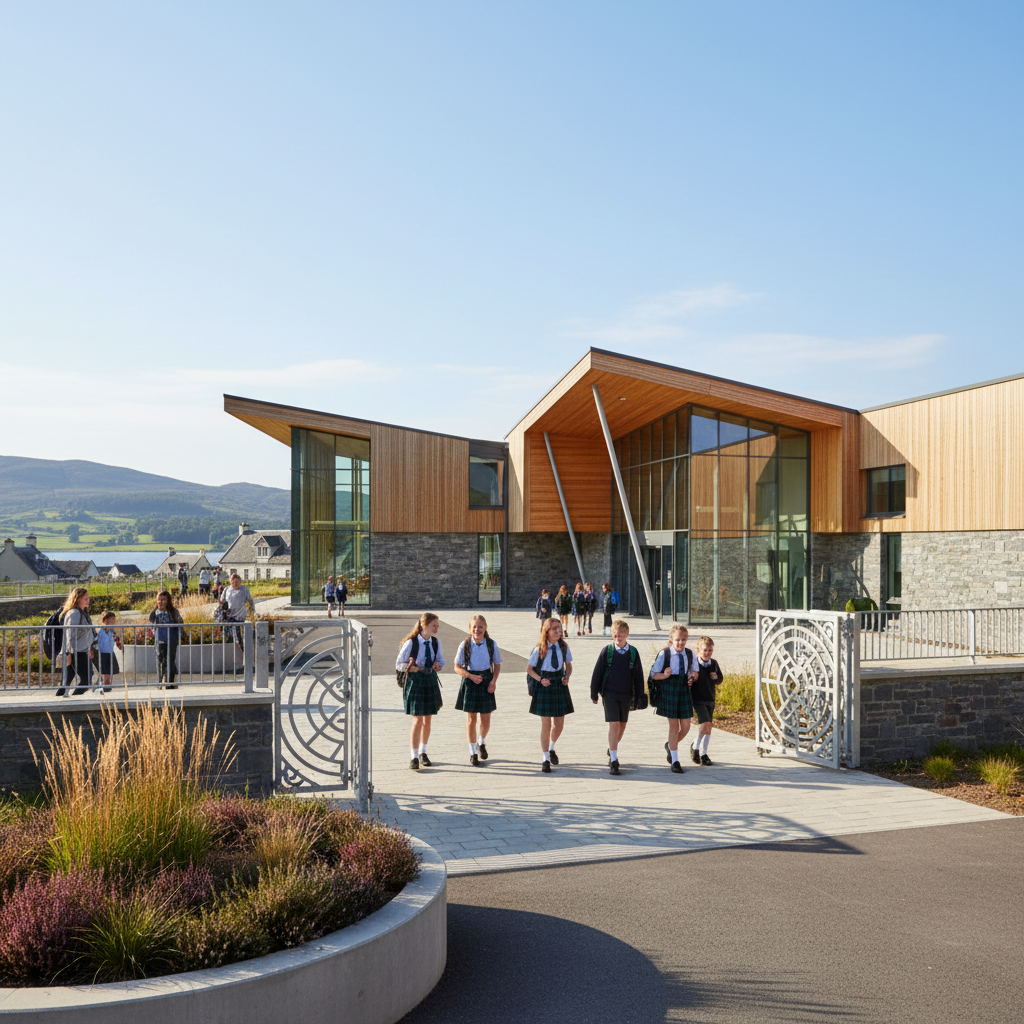
A consultation on controversial 'super-school' plans in Scotland will proceed after councillors rejected a motion to halt the process by 26 votes to 21. The narrow defeat of the halt motion means the education proposal remains under active consideration despite sustained opposition from critics.
The vote followed significant criticism from opponents of the super-school plans, though the consultation itself was not cancelled outright. The 47-vote council session highlighted deep divisions over the education restructuring proposal, with the five-vote margin reflecting the contentious nature of the issue.
Opposition voices concerns over consultation process
Critics of the super-school plans had pushed for the consultation to be stopped entirely, arguing against the proposed education model. The failed motion to halt proceedings suggests opponents were unable to build sufficient council support to derail the consultation at this stage.
Opposition councillors who supported the halt motion represent communities and parents who have raised concerns about the super-school concept. Their arguments centred on preserving existing educational structures and maintaining community connections to local schools.
The narrow vote margin of five suggests that while the consultation continues, support for the super-school plans remains fragile. Opposition members indicated they would continue to scrutinise the proposal throughout the consultation period, with some suggesting they might revisit the halt motion if community opposition intensifies.
Local parent groups and teaching unions have previously expressed reservations about consolidating schools, citing concerns over increased travel times for pupils and potential job losses. These stakeholder concerns contributed to the opposition's push to stop the consultation before it gathered further momentum.
What super-schools mean for Scottish education
Super-schools typically involve consolidating multiple smaller schools into larger educational facilities, often serving wider catchment areas. The model has been implemented in various forms across different regions, with supporters arguing for improved resources and educational opportunities.
Proponents of the super-school model point to enhanced facilities, broader curriculum options, and economies of scale that can benefit pupils. Larger schools can often support specialist teachers in subjects like modern languages or advanced sciences that smaller schools struggle to staff adequately.
However, the concept frequently faces resistance from local communities concerned about travel distances, loss of neighbourhood schools, and potential impacts on school culture and pupil wellbeing. Rural communities particularly worry about children having to travel significant distances to reach consolidated facilities.
The Scottish education system has seen similar debates in other regions, with mixed outcomes depending on local circumstances and community engagement. Some super-school projects have proceeded successfully, while others have been abandoned following sustained local opposition.
Council dynamics reflect broader education debate
The 26-21 vote split demonstrates the political complexity surrounding education reform in Scotland. With opposition councillors falling short by five votes, the result suggests the super-school proposal retains sufficient council backing to proceed through the consultation phase.
The narrow margin also indicates that public and political opinion remains divided on the merits of consolidating schools into larger facilities. Several councillors who voted to continue the consultation emphasised they were not necessarily supporting the super-school plans, but rather backing the democratic consultation process.
Council sources suggest the vote was influenced by concerns about being seen to shut down public consultation before communities had their say. Some councillors who opposed the super-school concept still voted against the halt motion, arguing that proper consultation was necessary regardless of their personal views.
The political positioning around the vote suggests that final approval for any super-school plans would face significant scrutiny, even with the consultation proceeding. According to the BBC report, the consultation process will now continue despite the failed attempt to halt it.
Next steps for affected communities
With the consultation remaining active, parents, teachers, and community members will have ongoing opportunities to submit feedback on the super-school proposals. The consultation process typically involves public meetings, written submissions, and detailed assessment of educational and logistical implications.
Education officials are expected to publish detailed proposals within the coming weeks, including specific schools that would be affected, proposed locations for new facilities, and timelines for any transitions. These details will likely intensify community debate and could influence councillor positions ahead of any final vote.
Community groups are organising response strategies, with some planning coordinated submissions to highlight concerns about transport, educational quality, and local identity. Parent councils from affected schools are expected to play key roles in gathering community feedback during the consultation period.
While the BBC report does not provide a detailed implementation timeline, the continuing consultation suggests any final decisions on the super-school plans remain months away. The consultation period is expected to run for several months, followed by analysis of responses and potential modifications to proposals.
Communities affected by the proposals will be watching closely as the consultation progresses, particularly given the narrow council vote that kept the process alive. The outcome of this consultation could set important precedents for similar education restructuring debates across Scotland, making the ongoing process significant beyond the immediate communities involved.