Scottish Government unveils £500m climate resilience fund for flood-hit communities
Multi-year package prioritises towns and villages with repeated flood events, with initial focus on central belt, north-east and Highlands.
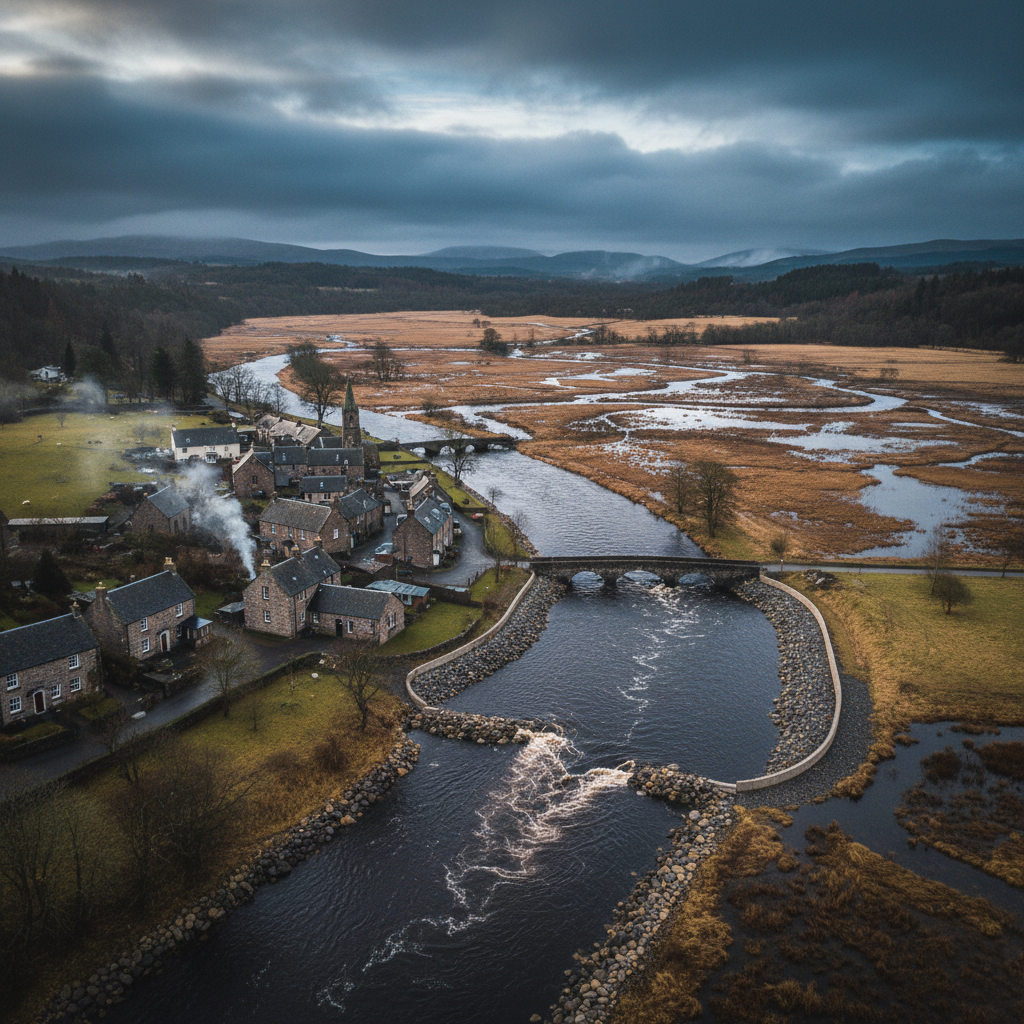
The Scottish Government announced a new £500 million Climate Resilience Communities Fund on 2 July, targeting towns and villages most vulnerable to flooding and extreme weather across Scotland. The multi-year package will prioritise areas that have suffered repeated flood events, with funding allocated for upgraded defences, natural flood management schemes, and community-level resilience projects.
Ministers said local authorities would be invited to submit bids later this year, with initial allocations expected to focus on parts of the central belt, the north-east and the Highlands that have experienced major flood incidents over the past decade. The fund represents a significant shift towards supporting smaller communities that have previously struggled to secure resources under existing schemes.
Targeting vulnerable communities
The new fund is designed to complement existing national infrastructure spending whilst addressing gaps in protection for vulnerable low-income neighbourhoods. Unlike previous programmes that often favoured larger urban projects, the Climate Resilience Communities Fund explicitly targets smaller towns and villages where flooding has become a recurring threat to homes and livelihoods.
The government's approach emphasises natural flood management alongside traditional engineering solutions, potentially transforming how Scottish communities prepare for climate impacts. This includes wetland restoration, tree planting, and sustainable drainage systems that work with natural water flows rather than against them. Eligible projects range from £50,000 community warning systems to £5 million comprehensive flood defence schemes, ensuring both immediate and long-term protection measures can be funded.
Rural communities with populations under 10,000 will receive priority consideration, addressing a historic imbalance where urban areas secured the majority of flood defence investment despite rural areas facing proportionally higher risks relative to their resources.
Learning from past flood events
Scotland has faced increasingly severe flooding in recent years, with communities across the central belt, north-east, and Highlands bearing the brunt of extreme weather events. The fund's focus on areas with repeated flood incidents reflects growing recognition that climate change is making such events more frequent and severe.
Previous flood defence schemes have often concentrated resources on major urban centres, leaving smaller communities to cope with inadequate protection. The new funding model aims to address this imbalance by specifically targeting places where residents have faced multiple evacuations and property damage over recent years.
Data from the Scottish Environment Protection Agency shows that over 120,000 properties across Scotland remain at risk of flooding, with rural communities accounting for nearly 40% of these vulnerable homes despite representing just 20% of the population. The fund specifically targets the 85 communities identified as having experienced three or more significant flood events since 2010.
Community-centred resilience planning
The fund's emphasis on community-level projects marks a departure from top-down infrastructure approaches. Local authorities will need to demonstrate how their proposals engage residents in planning and implementation, ensuring that solutions reflect specific local conditions and needs.
This community-centred approach could include early warning systems, evacuation planning, and resilient building standards tailored to each area's flood risk profile. The government expects that involving communities directly will create more effective and sustainable flood management strategies.
Community groups will be able to access up to £25,000 in preparatory funding to develop their proposals, with technical support provided through regional resilience hubs. This ensures that smaller communities without extensive planning resources can still compete effectively for larger allocations. Local flood action groups, many formed after recent flooding events, will play a key role in identifying priority projects and ensuring community buy-in.
Cross-party support and regional backing
The announcement has received backing from across the political spectrum, with opposition parties welcoming the focus on community-level resilience whilst calling for faster implementation timelines. Local authority leaders in flood-prone areas have expressed cautious optimism, noting that previous funding rounds often left smaller communities competing unsuccessfully against larger urban projects.
Regional development agencies in the Highlands and north-east have already begun preliminary discussions with vulnerable communities to identify potential projects. The Scottish Flood Forum, representing affected communities, described the fund as "long overdue recognition" that flood resilience requires sustained investment at the local level rather than reactive emergency spending.
Implementation timeline and next steps
Local authorities will receive detailed bidding guidance later this year, with the first funding allocations expected in early 2027. The government has indicated that successful bids must demonstrate clear evidence of flood risk, community engagement, and long-term sustainability.
The bidding process will operate in three phases: initial community assessments by autumn 2024, detailed project development through 2025, and final submissions by spring 2026. This extended timeline allows communities to develop robust proposals whilst ensuring proper environmental assessments and planning permissions are secured before funding is released.
According to the Reuters report, the fund will operate over multiple years, allowing for phased implementation of larger projects whilst providing immediate support for urgent resilience measures. Priority will be given to proposals that combine immediate flood protection with longer-term adaptation strategies.
The success of this initiative will likely influence how Scotland approaches climate adaptation more broadly, potentially serving as a model for other regions facing similar challenges. For communities that have long felt overlooked in national flood defence planning, the fund represents both an opportunity and a test of whether targeted investment can genuinely improve resilience at the local level.