Aberdeen Airport Security Staff to Strike Over Pay Dispute
Dozens of security officers at Aberdeen International Airport will walk out from Monday over rejected pay offer, threatening flight disruptions across the north-east.
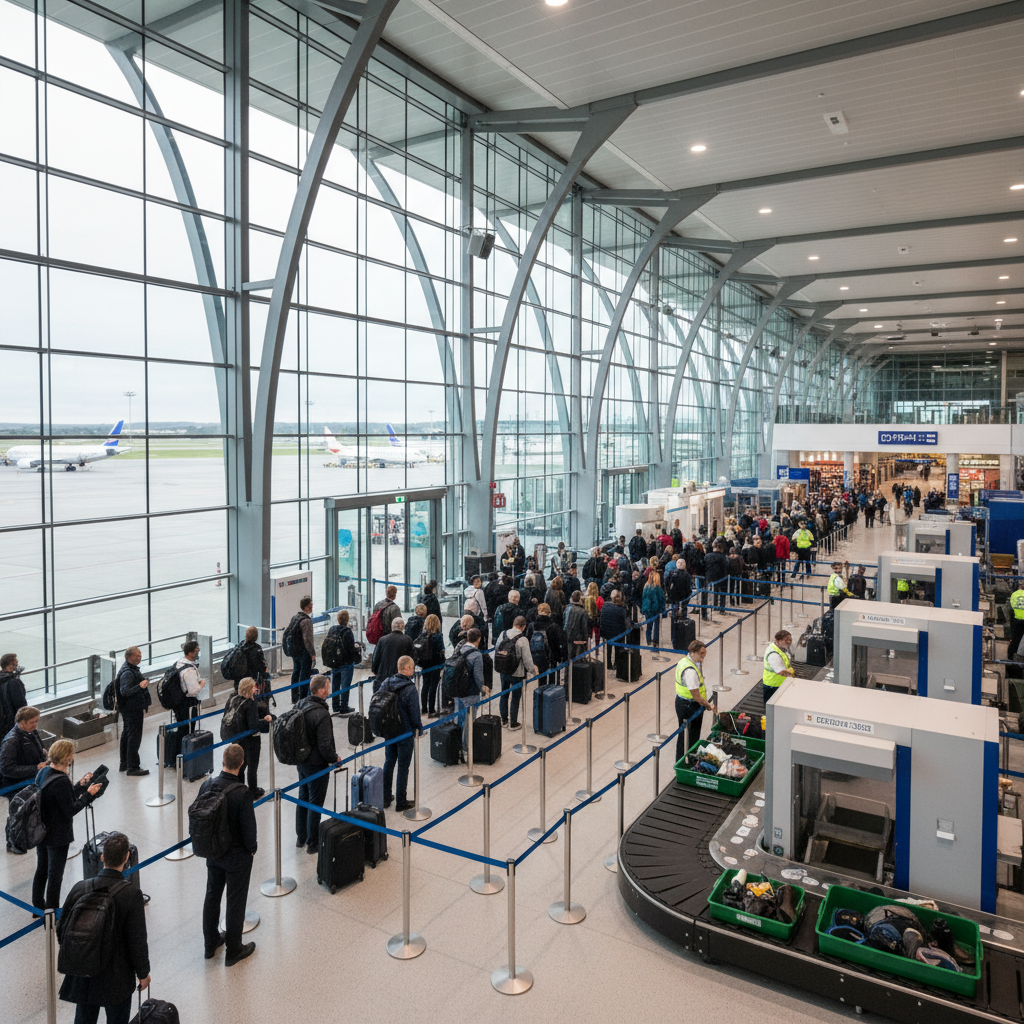
Security workers at Aberdeen International Airport will begin strike action from Monday 6 July in a dispute over pay with contractor ICTS, threatening significant disruption to flights serving Scotland's north-east. Dozens of security officers responsible for passenger and baggage screening rejected a below-inflation pay offer and are demanding terms that reflect rising living costs.
The walkout is expected to cause delays and potential flight cancellations at the airport, which serves as a crucial gateway for the oil and gas industry as well as leisure travellers. Airport management has advised passengers to arrive earlier than usual and acknowledged that queuing times will likely increase during the industrial action.
Workers Reject Below-Inflation Offer
Union representatives say security staff have turned down ICTS's pay proposal, which they describe as inadequate given current cost-of-living pressures. The workers are seeking a deal that better reflects the rising expenses faced by households across Scotland, particularly in the Aberdeen area where living costs have remained elevated despite economic uncertainties in the energy sector.
ICTS, the private contractor responsible for security operations at the airport, maintains its pay offer is fair given the current economic climate. The company has not disclosed specific figures for either the rejected offer or the workers' demands, but the dispute centres on what union representatives characterise as real-terms pay cuts.
The security officers handle critical functions including passenger screening, baggage checks, and access control throughout the terminal. Their absence during peak travel periods could force the airport to implement significant operational restrictions, potentially affecting both scheduled passenger services and the helicopter operations that support North Sea energy platforms.
Union Response and Worker Concerns
Trade union officials have expressed frustration with ICTS's negotiating position, arguing that security staff deserve compensation that acknowledges their essential role in airport operations. The workers have highlighted that their responsibilities have increased since the pandemic, with enhanced health and safety protocols adding to their daily workload without corresponding pay improvements.
Union representatives point to the challenging nature of security work, which requires staff to maintain vigilance throughout long shifts while managing passenger flow during busy periods. The role demands security clearance and ongoing training, factors that workers argue should be reflected in their compensation packages.
The timing of the strike reflects broader frustrations within the aviation security sector, where staff shortages and high turnover rates have become persistent issues. Workers cite the physical demands of the job, irregular shift patterns, and the responsibility of maintaining airport safety as factors that justify improved pay terms.
Contingency Plans and Operational Impact
Aberdeen International Airport management is working on contingency measures to minimise disruption, though officials have warned that some impact on services appears inevitable. The airport serves multiple daily flights to London, European destinations, and crucial helicopter services supporting North Sea oil operations.
Passengers have been advised to check with airlines before travelling and to allow additional time for security screening. The airport has not specified which flights might face cancellation, but the strike action affects all passenger screening operations at the facility.
Airport authorities are exploring options including deploying management staff to cover essential security functions and potentially bringing in temporary personnel from other facilities. However, the specialised nature of aviation security work and required clearances limit the pool of available replacement staff.
The disruption could prove particularly challenging for business travellers who rely on Aberdeen's connections to energy sector hubs in London and continental Europe. Helicopter operators serving offshore installations may need to adjust schedules if passenger terminal congestion affects their operations at the shared facility.
Broader Pay Pressures in Transport Sector
The Aberdeen dispute reflects wider tensions over pay settlements across Scotland's transport infrastructure. Similar disputes have affected rail services and other aviation facilities in recent months, as workers seek compensation that keeps pace with inflation and rising household costs.
The timing of the strike coincides with the summer travel season, when Aberdeen Airport typically sees increased passenger volumes from both business and leisure travellers. The facility also handles significant helicopter traffic supporting offshore energy operations, though it remains unclear whether these services will be affected by the security staff action.
According to the BBC report, the strike represents the latest in a series of pay disputes affecting Scottish transport hubs as workers push back against offers they view as insufficient.
Resolution Prospects and Next Steps
The strike action threatens to disrupt travel plans for thousands of passengers using Scotland's third-busiest airport. Aberdeen International serves as a vital link for the energy sector, with regular flights connecting the city to London, Amsterdam, and other European hubs where major oil companies maintain offices.
Airport authorities have not indicated how long the strike might last, with resolution dependent on renewed negotiations between ICTS and union representatives. The dispute comes as the aviation sector continues recovering from pandemic-related disruptions, with staffing levels and pay structures remaining contentious issues across the industry.
Both sides face pressure to reach a swift resolution given the potential economic impact on the region's business community and the approaching peak summer travel period. The outcome of the Aberdeen dispute could influence similar negotiations at other UK airports where security staff contracts are up for renewal.
ICTS has indicated willingness to return to negotiations, though no formal talks have been scheduled. Union officials say they remain open to discussions but emphasise that any resolution must address the fundamental concerns about pay levels that prompted the strike action.