Scotland swelters through hottest day in two years as heatwaves reshape Highland life
Aviemore's record-breaking 32.2C highlights how extreme temperatures are becoming the new normal across Scotland, forcing changes to everything from fire services to infrastructure planning.
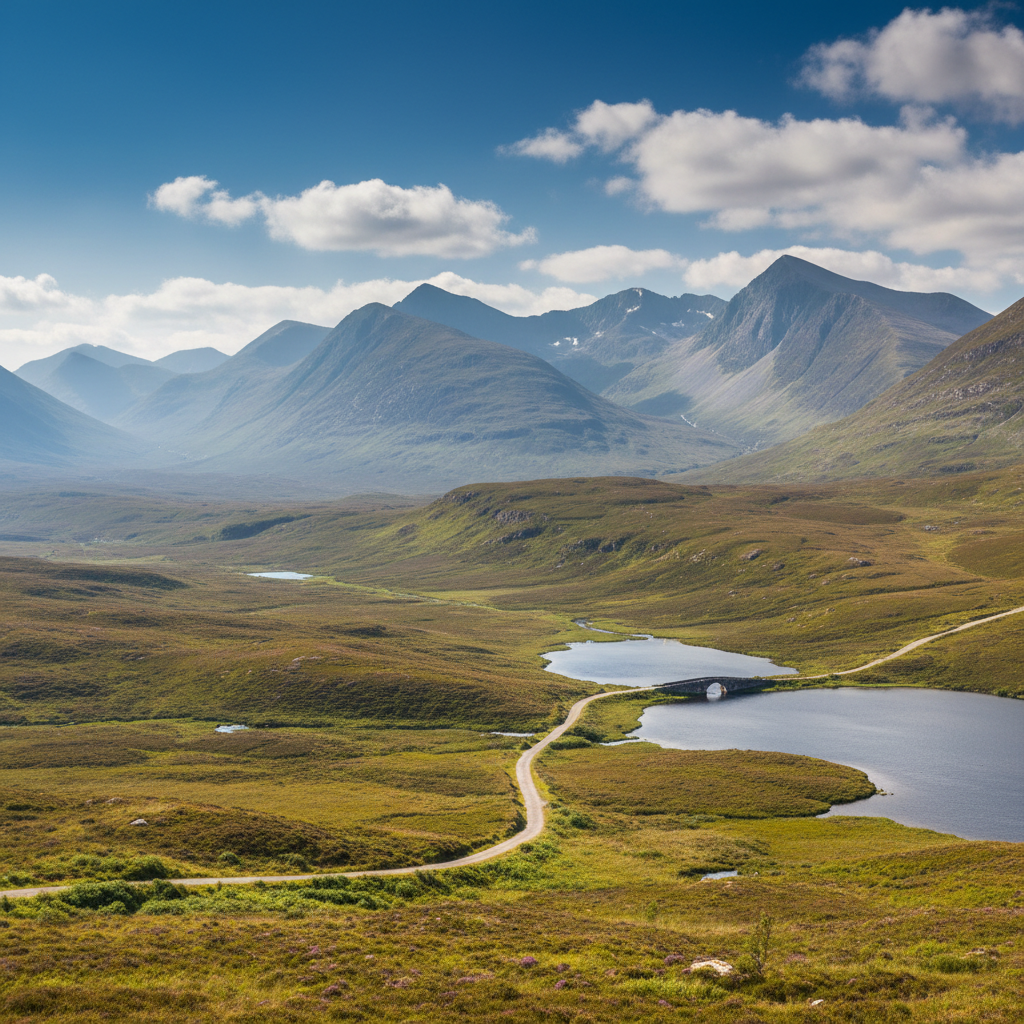
Scotland endured its hottest day in two years on Saturday as temperatures soared to 32.2C at Aviemore in the Highlands, marking the highest temperature ever recorded at that weather station. The Met Office confirmed the reading as part of an official heatwave that has gripped much of the country, with Highland locations including Achnagart and Kinlochewe also reaching 31.2C amid the current spell of hot, settled weather.
The scorching conditions have pushed temperatures well above seasonal norms across Scotland, with the Met Office confirming that the recent run of hot days meets the formal definition of a heatwave—temperatures exceeding 25C for at least three consecutive days in the same location. This latest extreme weather event underscores how Scotland is grappling with increasingly frequent and intense periods of heat that are reshaping daily life from the Borders to the far north.
Fire services stretched as wildfire risk soars
The immediate consequences of Scotland's latest heatwave are already visible across the landscape. Fire crews remain in their second day tackling an outdoor fire near Perth, whilst a severe wildfire warning remains in place for much of Scotland until Monday due to the dangerous combination of heat and parched ground conditions.
These emergency responses highlight how Scotland's fire services are adapting to a new reality where extreme heat events trigger heightened wildfire risks that were once considered exceptional. The current warning system reflects lessons learned from previous heatwaves, when unprepared emergency services struggled to cope with multiple simultaneous incidents across vast rural areas.
The Perth fire incident demonstrates how quickly conditions can deteriorate when temperatures climb above 30C for sustained periods. Emergency planners now factor in extended deployment scenarios during heatwave conditions, recognising that what were once isolated incidents have become predictable patterns requiring dedicated resources and forward positioning of equipment.
Infrastructure under pressure from temperature extremes
Beyond immediate fire risks, Scotland's infrastructure is showing strain under repeated exposure to temperatures that exceed design parameters established decades ago. Transport networks, in particular, face mounting challenges as rail lines expand and road surfaces soften under heat loads they were never intended to withstand.
The 32.2C reading at Aviemore—a location typically associated with winter sports and cool mountain air—exemplifies how climate patterns are shifting across Scotland's diverse geography. Highland communities that once relied on naturally cooler conditions are now installing air conditioning systems and redesigning public spaces to provide shade and cooling areas.
Housing stock across Scotland, much of it built for a temperate climate, struggles during extended hot spells. Care homes and hospitals face particular pressures as vulnerable populations require additional cooling measures that strain electrical grids already working at capacity during peak demand periods.
Economic and social adaptation accelerates
The frequency of heatwaves is driving broader changes across Scottish society and the economy. Tourism patterns are shifting as visitors seek cooler Highland destinations during what were traditionally peak summer periods, whilst agricultural practices adapt to more volatile growing conditions and increased irrigation demands.
Schools and workplaces are revising their approaches to extreme heat, with many implementing flexible arrangements that allow activities to shift to cooler parts of the day. The construction industry has begun scheduling heavy outdoor work for early morning and evening hours, avoiding the dangerous midday temperatures that can exceed safe working thresholds.
Public health messaging has evolved to treat heatwaves as serious weather events requiring preparation and response strategies. Local authorities now coordinate cooling centres and wellness checks for elderly residents during extended hot spells, recognising that Scotland's population has limited experience managing extreme heat compared to other European regions.
Atlantic weather patterns offer temporary relief
Forecasters expect a slight cooling on Sunday followed by more changeable conditions next week as fresher, wetter Atlantic air begins to move in from the west. This pattern reflects Scotland's position at the intersection of continental and maritime climate influences, where brief respites from extreme heat arrive courtesy of the country's traditional weather systems.
However, meteorologists note that these cooling interludes are becoming shorter and less predictable, with high-pressure systems capable of redirecting Atlantic fronts and extending heatwave conditions beyond historical norms. The current spell demonstrates how quickly temperatures can climb when Scotland falls under the influence of continental air masses that bring sustained heat from southern Europe.
According to the BBC weather report, the pattern of hot, settled conditions reflects broader atmospheric changes that are making extreme temperature events more frequent across the British Isles. Climate scientists point to these recurring heatwaves as evidence of shifting baseline conditions that require long-term adaptation strategies rather than short-term emergency responses.
As Scotland adjusts to a climate where 32C days in Highland locations become increasingly common, the challenge extends beyond managing individual weather events to fundamentally rethinking how communities, infrastructure, and emergency services prepare for a hotter future. Saturday's record-breaking temperatures at Aviemore serve as both a milestone and a warning of the sustained changes reshaping life across Scotland.