Historic Environment Scotland drops Duff House promotion over slavery links
The baroque mansion in Banff will no longer be marketed as a standalone attraction after research confirmed the 4th Earl of Fife's plantation profits.
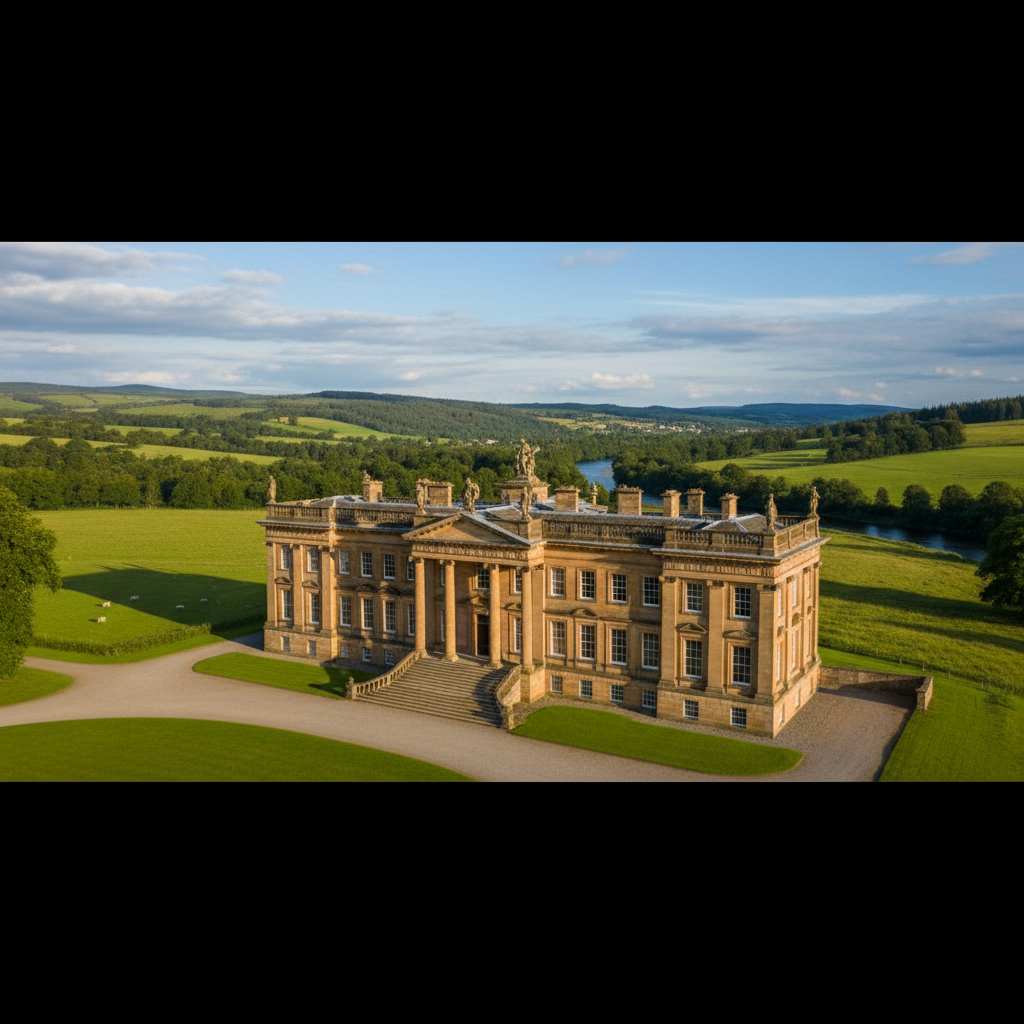
Historic Environment Scotland has quietly removed Duff House in Banff from its promotional materials after new research confirmed that James Duff, 4th Earl of Fife, profited directly from Caribbean slavery. The agency announced on 8 July that the baroque mansion would no longer be marketed as a standalone visitor attraction.
Instead, Duff House will be presented solely as an art gallery managed by the National Galleries of Scotland, effectively stripping away its heritage tourism status. The decision follows academic research that documented Duff's extensive plantation interests in Jamaica and Demerara, where he held enslaved people and later received compensation following abolition.
Research exposes plantation wealth
The investigation into the 4th Earl of Fife's background revealed the extent of his Caribbean holdings and the profits derived from enslaved labour. Researchers found documentation showing Duff's direct involvement in plantation operations across multiple colonies, with records indicating he received substantial compensation payments when slavery was abolished in 1833.
The research uncovered that Duff owned at least three plantations in Jamaica and held interests in sugar estates across Demerara, now part of Guyana. Historical records show he received over £3,000 in compensation - equivalent to hundreds of thousands of pounds today - for the loss of enslaved people following emancipation.
Historic Environment Scotland said the findings prompted a comprehensive review of how the site's history is presented to visitors. The agency concluded that continuing to promote Duff House as a heritage destination without addressing these connections would be inappropriate given current understanding of the building's origins.
Community calls for transparency
Local councillors and heritage campaigners have criticised the decision to simply remove Duff House from tourism materials rather than address the slavery connections head-on. Aberdeenshire Council's heritage committee expressed disappointment that the decision was made without consulting local representatives or the wider Banff community.
Councillor Sarah Mitchell, who represents the Banff and Buchan area, argued that fuller on-site interpretation would better serve both historical accuracy and the community's tourism interests. She emphasised that visitors should be trusted to engage with complex historical narratives rather than having sites withdrawn from view.
Heritage advocates have called for proper consultation with local residents about how the building's complex history should be presented. Several councillors expressed concern that the quiet removal represents a missed opportunity for meaningful engagement with Scotland's colonial past and could set a precedent for similar withdrawals across the country.
The campaigners emphasised that many historic properties across Scotland have similar connections to slavery-era wealth, and that removing sites from promotional materials without proper interpretation sets a concerning precedent for how the nation addresses this history. They argue that transparency and education, rather than concealment, should guide heritage interpretation.
Wider heritage reckoning
The Duff House decision reflects a broader reassessment of Scotland's historic properties and their connections to colonial wealth. Heritage organisations across the UK have been grappling with how to present sites linked to slavery profits, particularly as academic research continues to uncover these connections through databases like the Legacies of British Slave-ownership project.
The 4th Earl of Fife was among many Scottish landowners who invested plantation profits in grand architectural projects during the 18th century. Duff House, completed in the 1730s, stands as one of Scotland's finest baroque buildings, designed by William Adam for the Duff family at a cost that would exceed £10 million in today's money.
The building's construction coincided with the peak of Duff's plantation wealth, with historians noting that the timing and scale of the project directly correlate with his Caribbean investments. The mansion's opulent interiors and extensive grounds were funded through profits from sugar production using enslaved labour, a connection that remained largely unacknowledged in previous heritage interpretation.
Historic Environment Scotland's approach of de-emphasising rather than reinterpreting such sites has drawn criticism from historians who argue that these connections should be acknowledged and explained rather than obscured. According to the BBC report, this represents part of a wider debate about how Scotland's heritage sector handles uncomfortable historical truths while maintaining educational and tourism value.
Future of heritage interpretation
The controversy over Duff House raises questions about how other Scottish heritage sites with similar backgrounds will be treated. Heritage professionals suggest that transparent interpretation, rather than promotional withdrawal, offers a more constructive approach to addressing colonial connections while maintaining visitor engagement and educational opportunities.
Local tourism operators in Banff have expressed concern about the impact on visitor numbers, particularly given the building's significance as a cultural attraction in Aberdeenshire. The Banff and Macduff Tourism Association reported that Duff House previously attracted over 25,000 visitors annually, contributing significantly to the local economy through accommodation, dining, and retail spending.
The National Galleries of Scotland will continue to operate the site as an art gallery, displaying works from their collection in the mansion's historic rooms. However, without the broader heritage interpretation that previously drew tourists to the area, local businesses fear a decline in cultural tourism to the region.
Several heritage organisations are now reviewing their own properties for similar connections, with Historic Environment Scotland indicating that other sites may face similar reassessment. The debate continues over whether Scotland's heritage sector should confront these historical connections through enhanced interpretation or manage them through reduced promotion, with Duff House serving as a test case for this broader cultural reckoning that will likely influence heritage policy across Scotland.