Edinburgh Festival Fringe 2026 launches with record 3,800 shows and expanded diversity programme
The world's largest arts festival opens with strengthened support for under-represented artists and enhanced partnerships with Scottish communities.
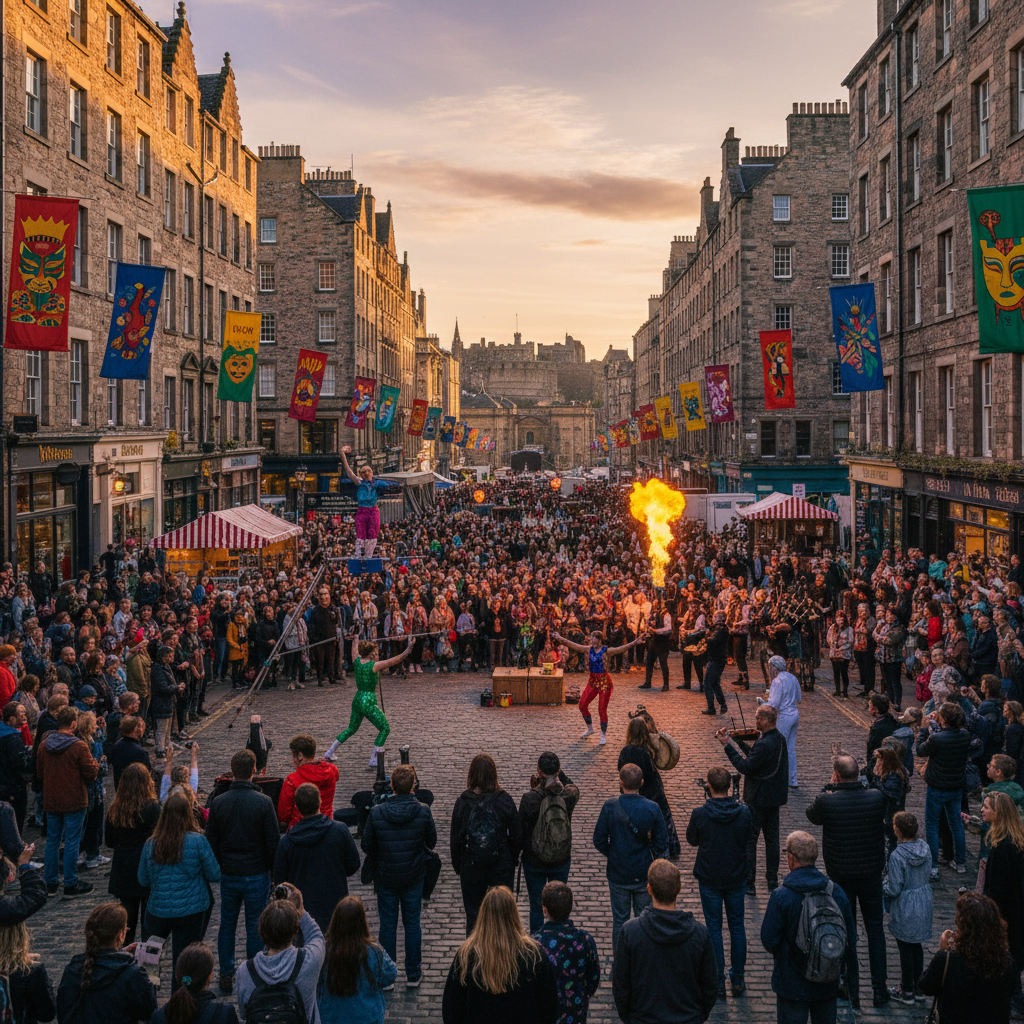
The 2026 Edinburgh Festival Fringe officially opened in early July with a record programme of around 3,800 shows across theatre, comedy, music and dance, cementing its position as the world's largest arts festival. This year's edition introduces significant new measures to improve accessibility and diversity, marking a deliberate shift towards broader representation in Scotland's premier cultural event.
Organisers have expanded bursaries for artists from under-represented backgrounds and enhanced support for disabled performers and audiences, whilst strengthening partnerships with local venues and community groups across Scotland to spread economic and cultural benefits beyond Edinburgh's city centre.
Diversity initiatives reshape festival access
The Fringe Society has implemented expanded financial support programmes specifically targeting artists from under-represented backgrounds, addressing longstanding concerns about the festival's accessibility to performers without significant financial backing. Enhanced support for disabled performers and audiences includes improved venue accessibility measures and dedicated assistance programmes.
These initiatives represent a marked departure from previous years, when critics argued the festival's high costs and venue requirements created barriers for emerging and marginalised artists. The 3,800-show programme now reflects this broader commitment to inclusivity across all performance categories.
The financial support extends beyond simple bursaries to include mentorship programmes, reduced venue fees for qualifying artists, and dedicated marketing support for shows by under-represented performers. Festival organisers report that applications for diversity funding increased by over 40% compared to previous years, indicating strong demand for these expanded opportunities.
Community partnerships extend cultural reach
The festival has strengthened its partnership network with local venues and community groups throughout Edinburgh and across Scotland, moving beyond the traditional city centre concentration. This expanded approach aims to distribute the festival's substantial economic impact more widely whilst creating new opportunities for Scottish artists and venues.
Local community groups are now directly involved in programming decisions and venue partnerships, ensuring the festival's benefits reach beyond the established cultural institutions that have traditionally dominated the event. The initiative particularly focuses on connecting with venues and organisations outside Edinburgh's historic festival districts.
New satellite venues in Glasgow, Stirling, and Aberdeen are hosting Fringe-affiliated performances for the first time, with dedicated transport links connecting these locations to the main Edinburgh programme. Community centres, libraries, and non-traditional performance spaces across Scotland have been incorporated into the official venue network, creating performance opportunities in areas previously excluded from the festival circuit.
International performers signal cultural recovery
Early reports highlight strong ticket sales and a significant return of international performers, indicating robust post-pandemic recovery for Scotland's cultural sector. The substantial international presence suggests renewed confidence in Edinburgh as a global cultural destination, with performers from across Europe, North America, and beyond returning to the festival circuit.
This international participation proves particularly significant for Scottish cultural venues and hospitality businesses, which depend heavily on the festival's annual economic injection. The combination of record show numbers and strong international representation suggests the 2026 edition may exceed pre-pandemic attendance and revenue figures.
Performers from 47 countries are participating in this year's programme, representing the highest international participation since 2019. Comedy venues report particularly strong bookings from North American performers, whilst theatre spaces have seen increased interest from European companies seeking to re-establish their Edinburgh presence after several years of reduced participation.
Economic impact spreads beyond city centre
The festival's expanded community partnership model is designed to ensure cultural and economic benefits reach areas previously excluded from the Fringe's substantial annual impact. By working directly with venues and organisations across Scotland, the festival aims to create lasting cultural infrastructure beyond Edinburgh's traditional festival zones.
This approach addresses previous criticism that the festival's benefits were too narrowly concentrated, whilst creating new pathways for Scottish artists to participate in the world's largest arts festival. Local businesses in partner communities report increased bookings and visitor numbers, with accommodation providers in satellite locations experiencing their busiest summer seasons in years.
The expanded model includes revenue-sharing arrangements with community venues, ensuring that local organisations receive direct financial benefits from hosting Fringe performances. Training programmes for local venue staff and technical support have been established to maintain professional standards across the extended network.
According to the BBC report, these partnerships represent a fundamental shift in how the festival engages with Scottish communities, moving from a centralised Edinburgh-focused model to a genuinely national cultural event.
The 2026 Fringe's record programme size, combined with its enhanced diversity measures and community partnerships, positions the festival as both a global cultural showcase and a more inclusive platform for Scottish artistic talent. With strong early ticket sales and significant international participation, this year's festival appears set to demonstrate the cultural sector's full recovery whilst establishing new standards for accessibility and community engagement that could influence arts festivals worldwide.